
Translucence in Nature and Fly Design
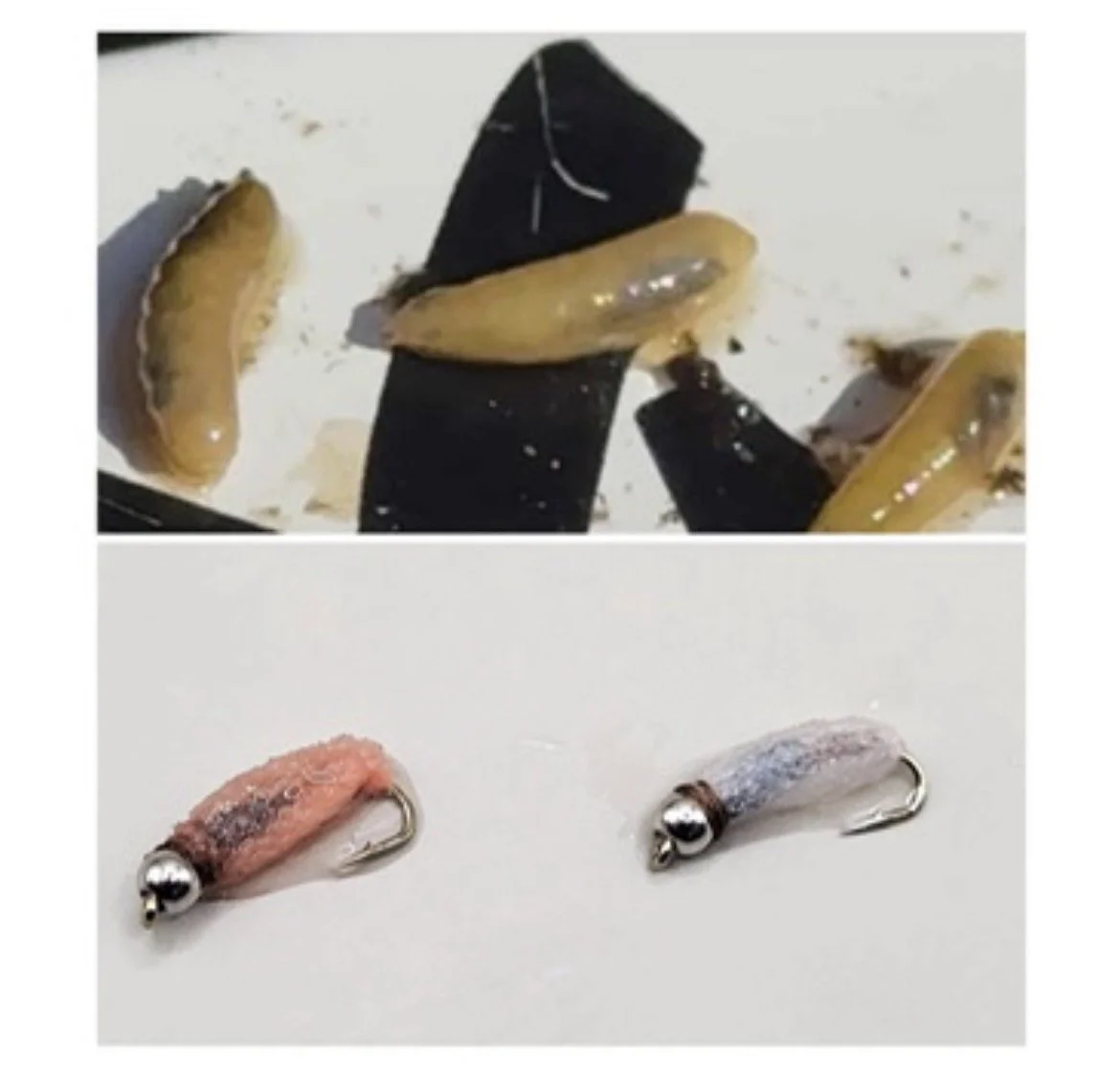
Walnut Husk Larvae (top) and the Huskie fly pattern
Translucence is one of the most common things in nature, yet it’s an often underutilized visual trigger in fly design. In nature, many of the organisms trout feed on—fish eggs, larvae, worms, and certain baitfish—are not opaque. Light penetrates the body, interacts with internal structure, and exits differently depending on angle, depth, and movement. This creates contrast and subtle flash that can trigger a strike in stubborn fish.
When you begin designing flies with translucence in mind, material selection and application become far more important than color alone. The fly-tying world is full of materials capable of producing translucence when applied in thin layers. My favorite material for this effect is McFly Foam. It’s especially effective because it diffuses light rather than blocking it. Thickness control is critical—too thick and the material becomes too solid, so it must be thin enough to allow internal components to remain visible once the fly is wet. McFly Foam has become my primary material for worm bodies and egg patterns for this reason. A good example of this approach is the development of the Husky pattern. During periods when Walnut Husk Fly Larvae are present, translucence is a defining characteristic. As the larvae feed on decomposing husk material, their digestive tract is often visible through the body wall. Replicating this meant building the fly from the inside out. The body begins with a thin, reverse-tied layer of foam. Underneath that, tinsel and thread are used to suggest internal mass rather than surface flash. This internal layering creates depth without overpowering the profile. Once the foam is pushed forward and wetted, it puffs up and clarifies, allowing the internal materials to show through in a way that nearly matches the natural. The result is a fly that maintains realism under varying light conditions rather than looking like a solid object.
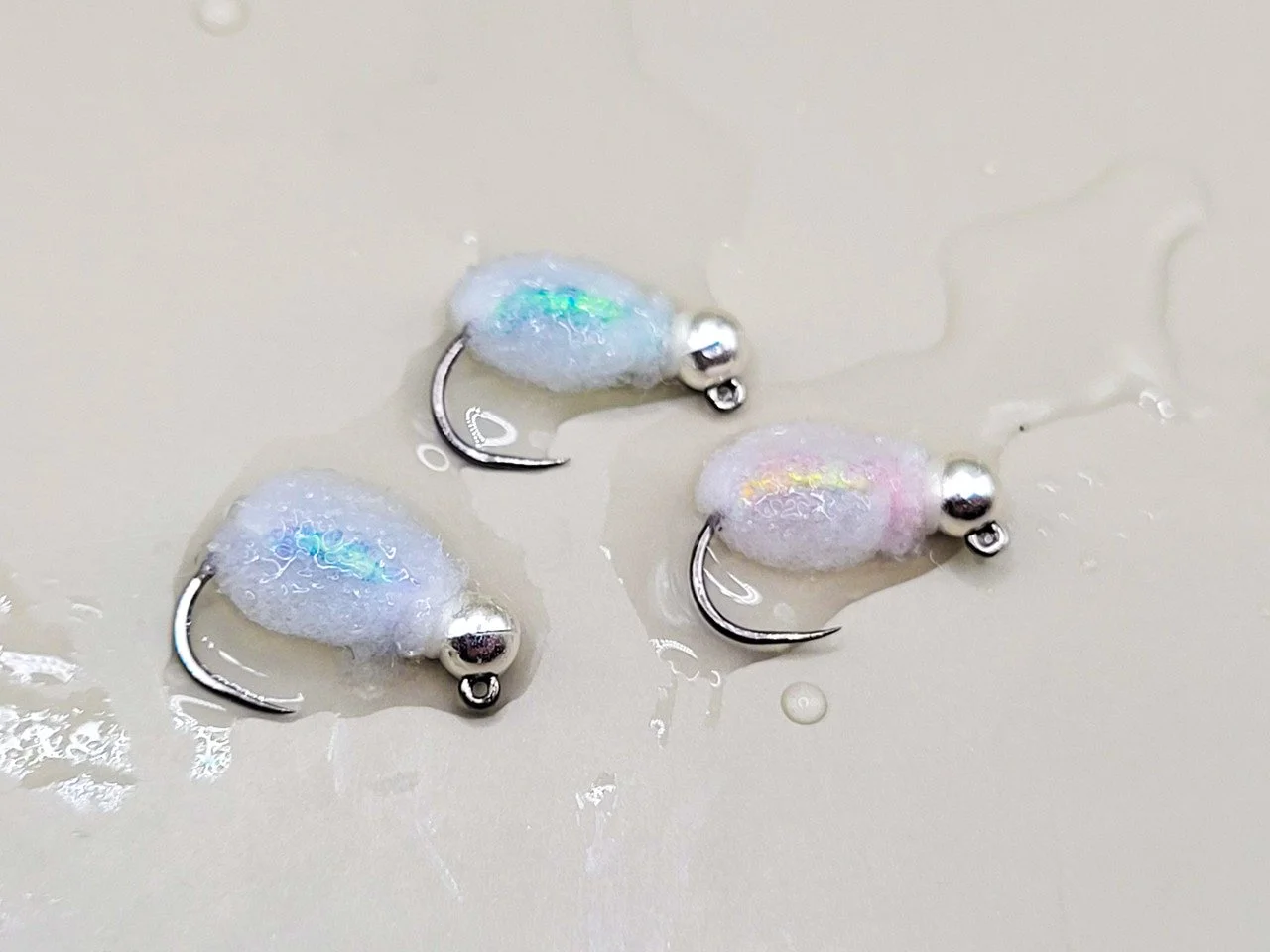
The same internal-structure approach is used in the NKC Egg. While McFly Foam egg patterns have existed for years, most rely on surface color placement. For the NKC Egg, the goal was to create a “fertilized egg” pattern that was just more than a mix of McFly Foam colors. I wanted it to have depth, to see inside of the shell. This was achieved using a layered tinsel core, which has been used externally on many of PGH FLY CO patterns. On its own, the tinsel is extremely bright, but when filtered through a semi-transparent foam shell, the light is diffused rather than reflected directly which gives it a completely different effect. As the egg moves in the current or reacts to turbulence, the loose foam shell will move slightly and allow the tinsel to shimmer internally, producing a three-dimensional effect instead of a static flash.
The NKC Blood Dot follows the same logic. The entire goal was to have the illusion of a substance being contained in a shell. Rather than placing a red hotspot on the exterior of the egg, or just using a strand of red foam, a small amount of very fine, stringy red flash dubbing is buried at the center of the pattern. Once covered with foam and wetted, the dubbing spreads out and creates a suspended blood effect that appears internal rather than painted on. The metallic flash of the red dubbing is almost fully absorbed which creates an amazing realistic blood color and texture. What was once bright becomes suprisingly subtle. This subtlety becomes especially important in clear water or pressured fish.
Translucence also plays a role in streamer design, particularly in the Liquid KO variations. The fly uses contrasting materials to control how light interacts with the pattern. The inner section of the fly is a wrapped holographic tinsel. The bottom of the fly is built with a stiff and dense craft fur, which holds shape and limits light penetration. The top uses white Polysilk, which is significantly softer and more translucent. This material contrast creates two distinct behaviors. While free-floating or dead-drifting, the Polysilk absorbs and diffuses much of the tinsel’s shine, keeping the fly subdued. Once the fly is moved or disturbed by water current, the Polysilk will move allowing the tinsel to flash aggressively. This on-off flash effect closely mimics the way real baitfish reflect light when they change direction.
From a design standpoint, translucence isn’t about making flies brighter—it’s about controlling light. By allowing light to pass through a pattern, interact with internal materials, and change with movement, you add depth, realism, and trigger points that most flies simply can’t replicate. When flies are built from the inside out, they start looking like food!
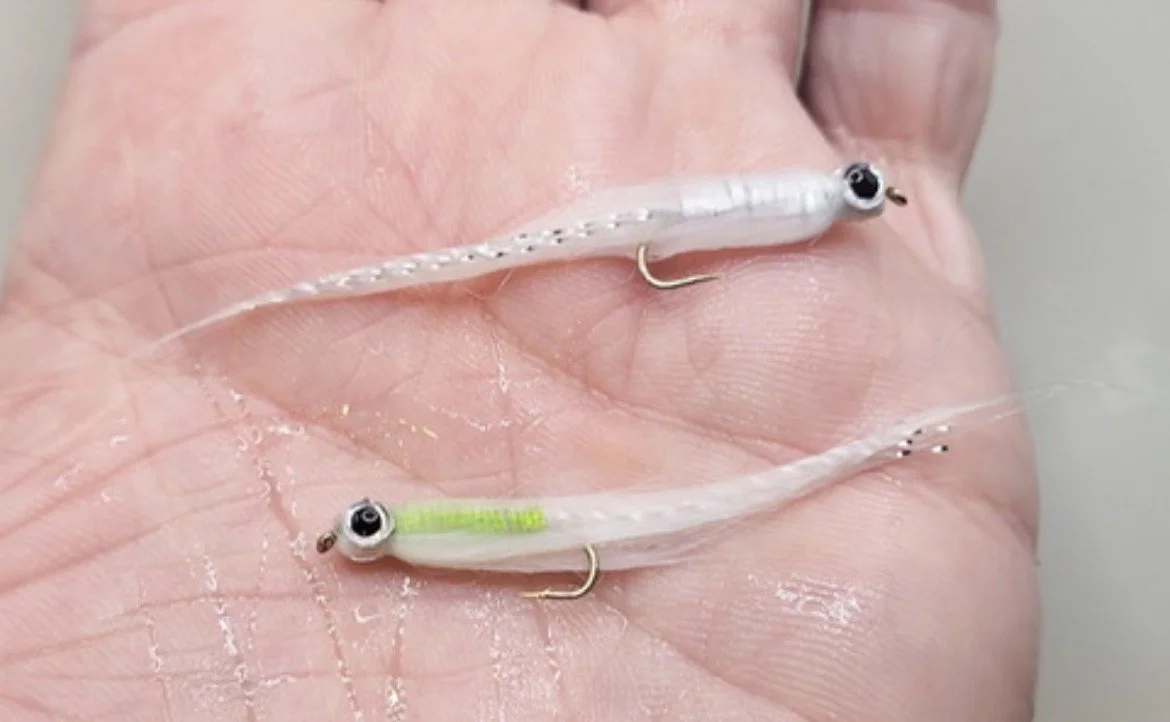
Liquid KOs use a semi translucent Poly Silk to let the tinsel and flash shine through.
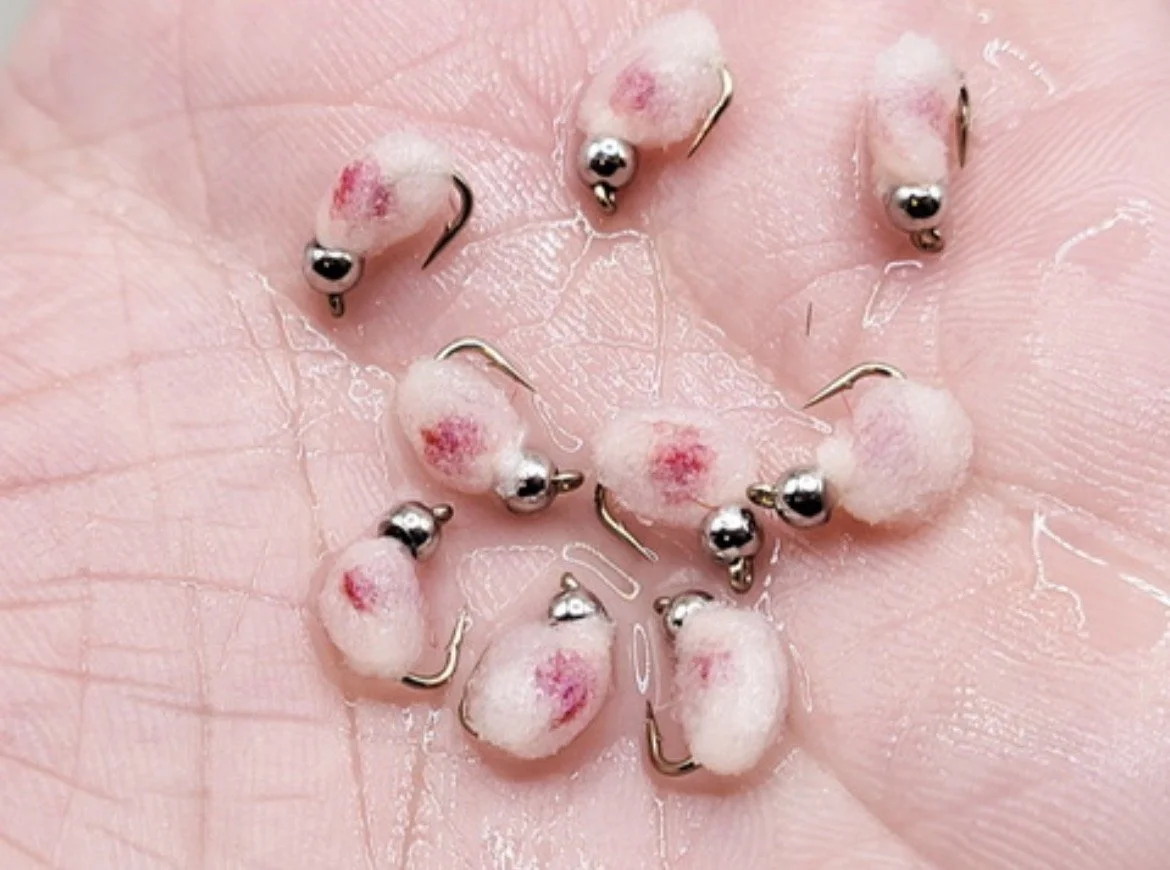
NKC Blood Dots. The blood color is tied underneath the fly foam
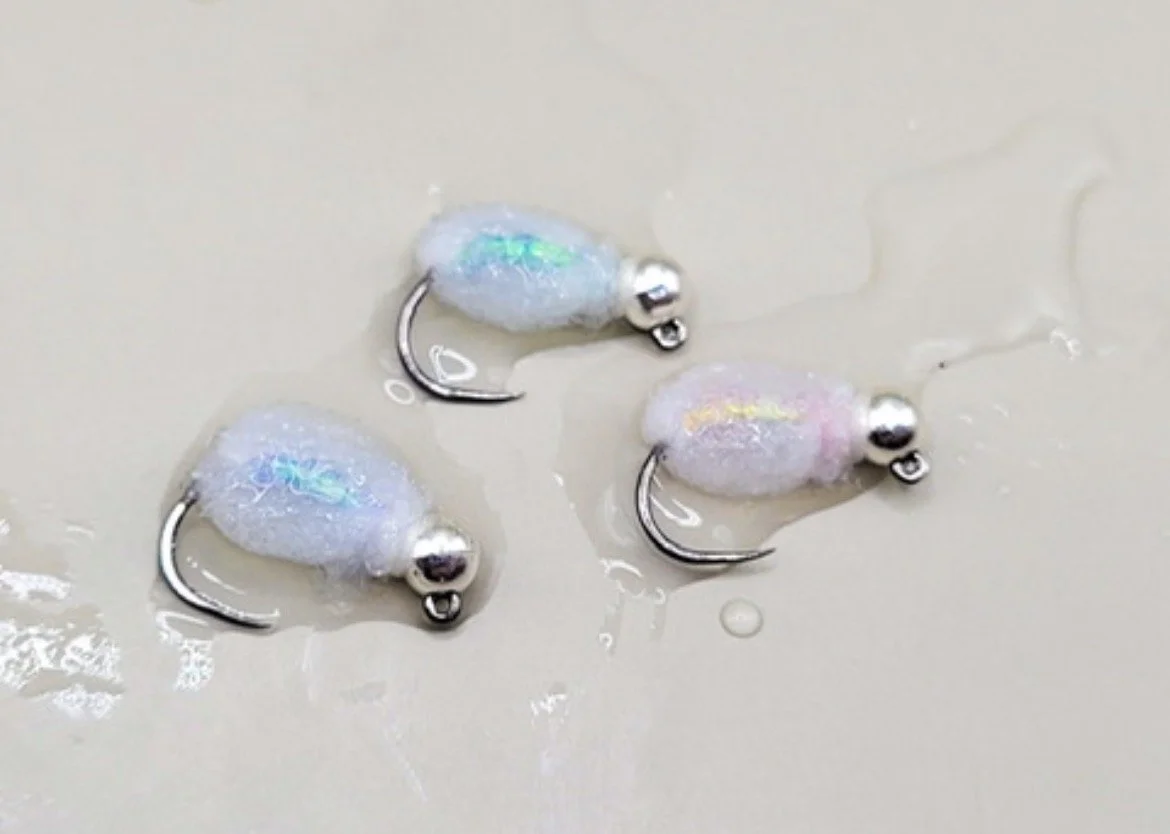
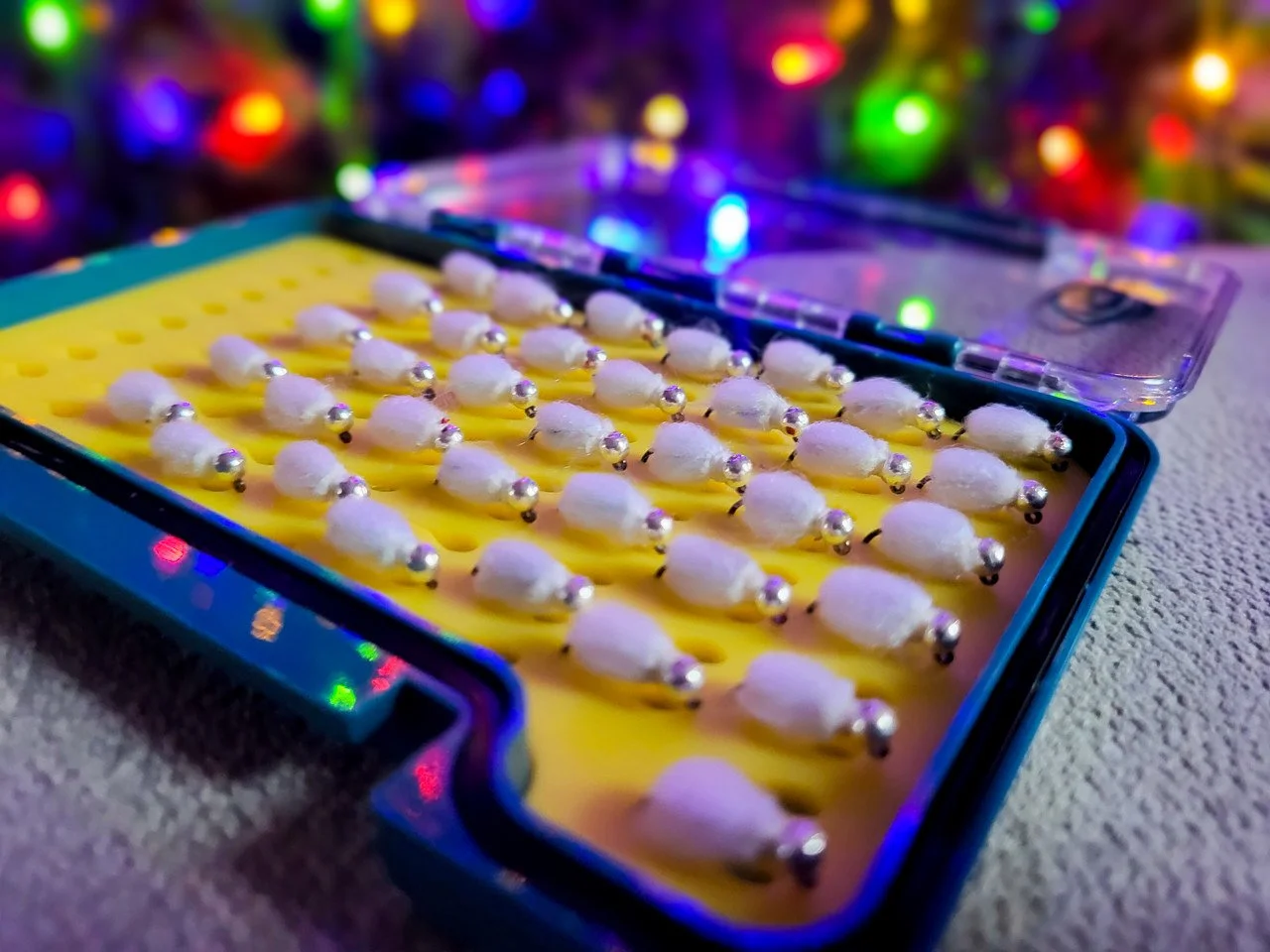
NKC Eggs
Later, 2025
What a year!
Stuff in a can? New blog? New egg pattern? The guy with breasts in prison from the Ed Gein series liking my content? Hard to pick the best moments. But, it’s been a good year for PGH. My customer base are a bunch of rabid animals, fish are being caught like crazy, and new friends have been made. What’s not to like? Looking forward to 2026! Thank you all for the support!
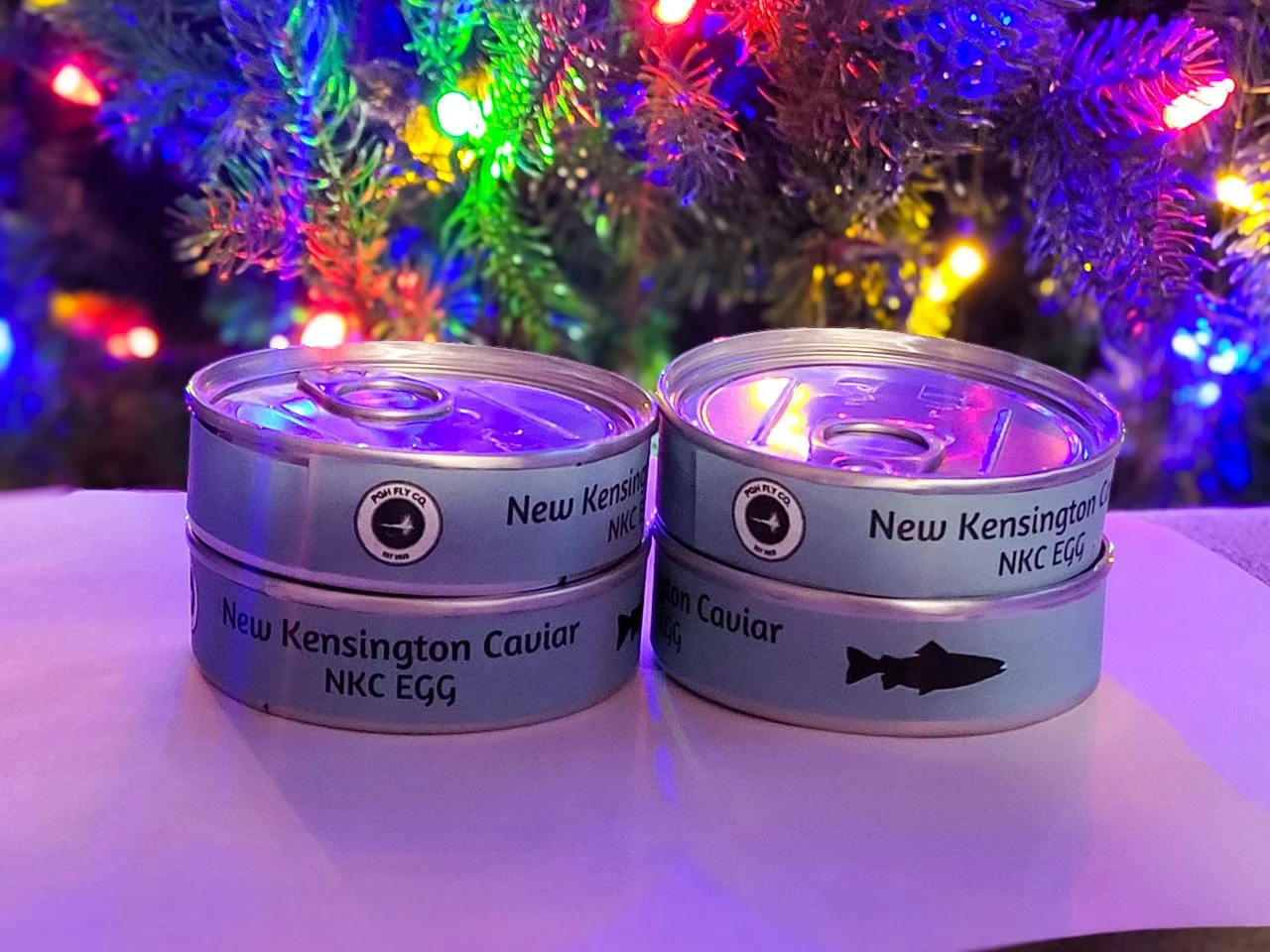
The NKC Egg!
written by Kurt Shaffer
My brain is constantly thinking. A doctor once called it “Overthinking”. I then had to write an essay on overthinking, while overthinking what to write about. Sometimes it's a curse, but sometimes it's a blessing. In my old blog, I detailed accidentally discovering a layering technique that I'm sure others have discovered before me. I've used this technique on multiple patterns and all of them had very good records of catching. As someone who is rarely satisfied, I wanted to make an egg pattern using this technique.
First I tried egg yarn, which I found wouldn't stretch or move enough, so I settled for McFly Foam! The ability to stretch and move is a must with the pattern I was setting out to build. Underneath the foam would be layered tinsel. The black tinsel turns housefly green, the purple becomes a turquoise, and the red becomes a vibrant orange. A think and fluffy blanket of McFly Foam wraps around then tinsel core letting just enough shine through. When the foam becomes wet, it develops a slight translucence coupled with a slush like texture allowing more of the core to shine through. That's great and all, but the real magic happens IN the water! During flow testing, the loose foam has a small amount of movement which exposes the inner core. When the light catches this, is makes a small but bright shimmer. There's nothing I love more than when an overthought idea becomes an overthought reality.
Since I rolled this pattern out, content creators like FlyFishDelawhere and Cast Out Cancer have made videos about the NKC Egg. It may even be rivavaling the KO Shiner in effectiveness in 1/8 of the time! I'm honestly excited about this pattern!!
Michael Kensinger Bonus Page!
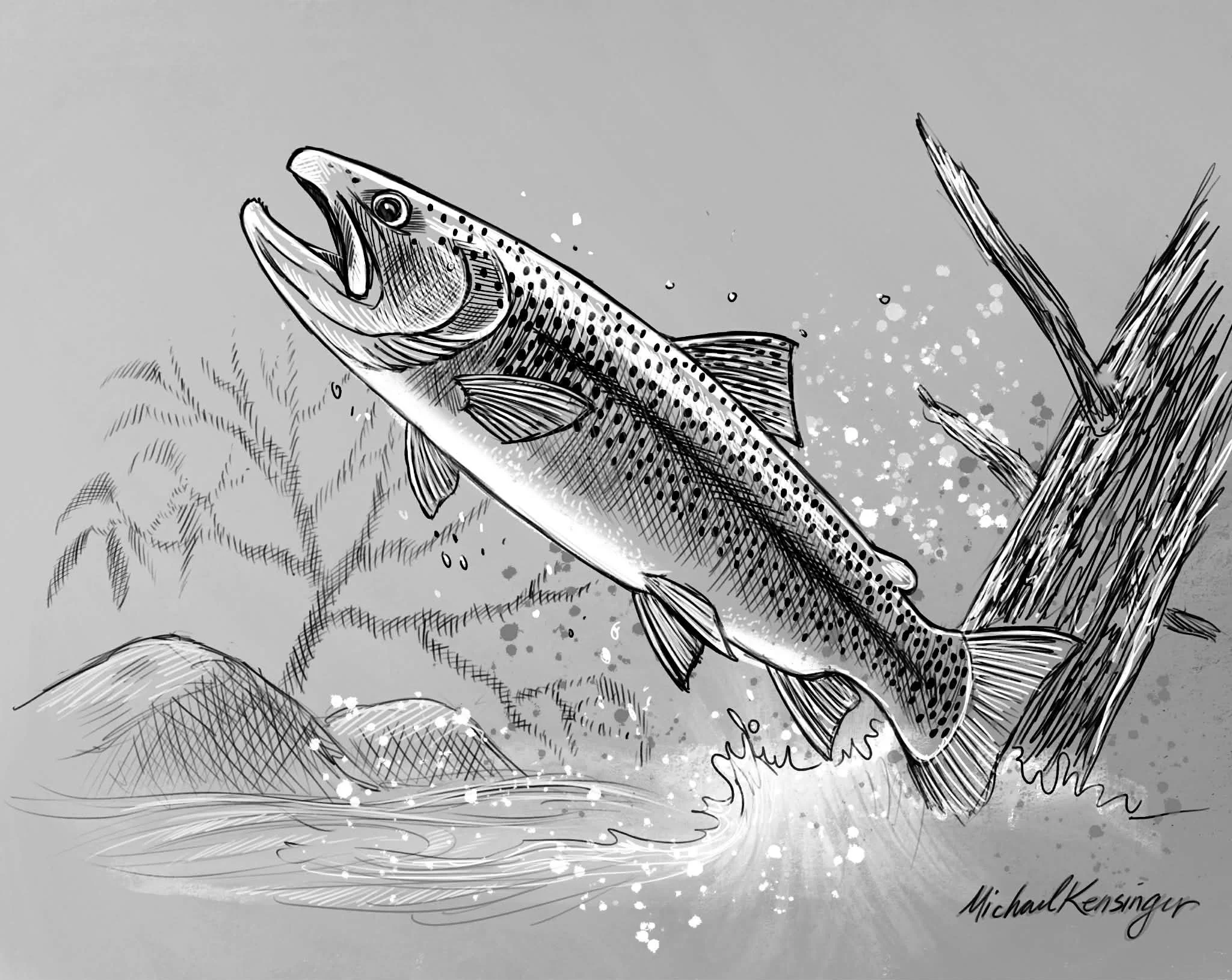
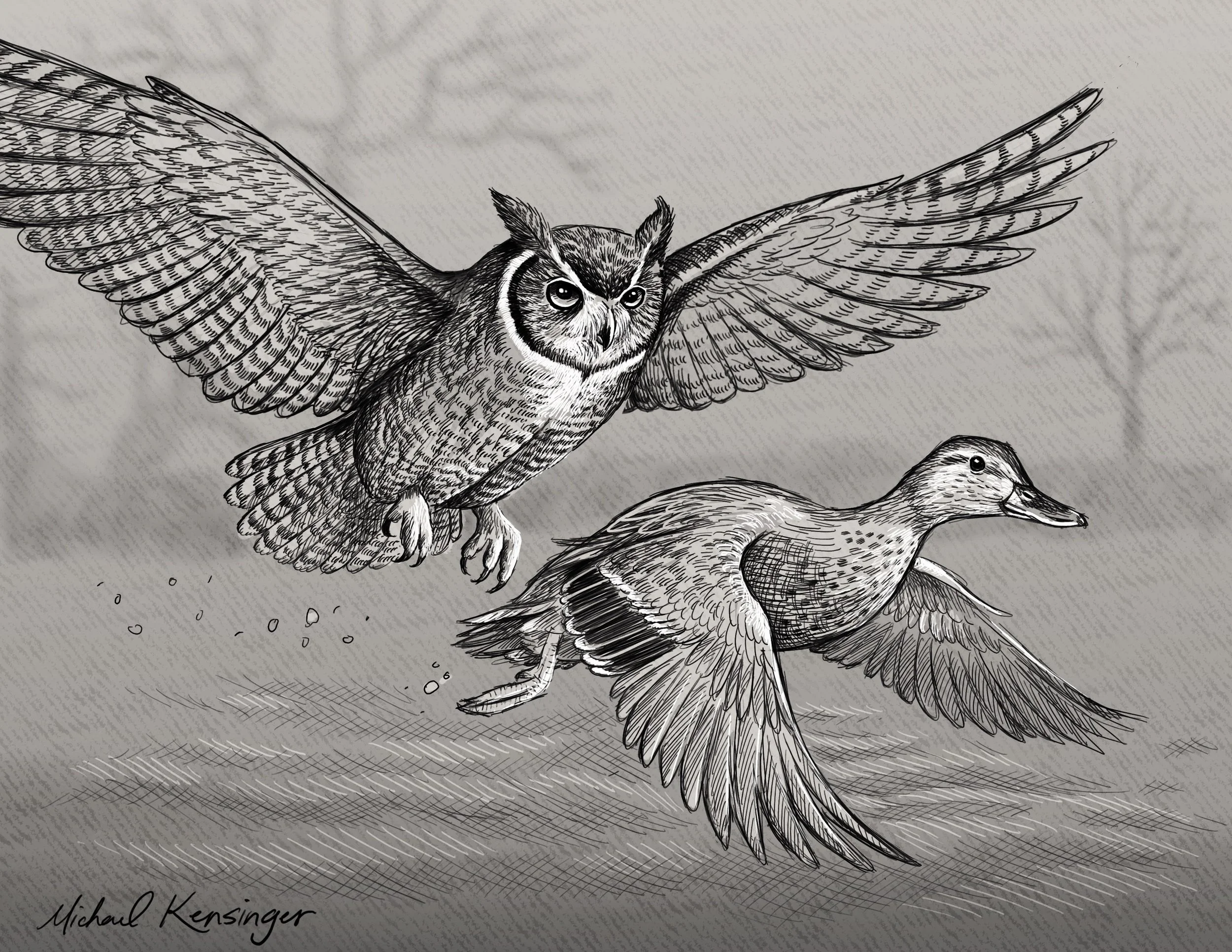
Michael sent me more art. I couldn’t narrow it down, so I decided to do a bonus page!
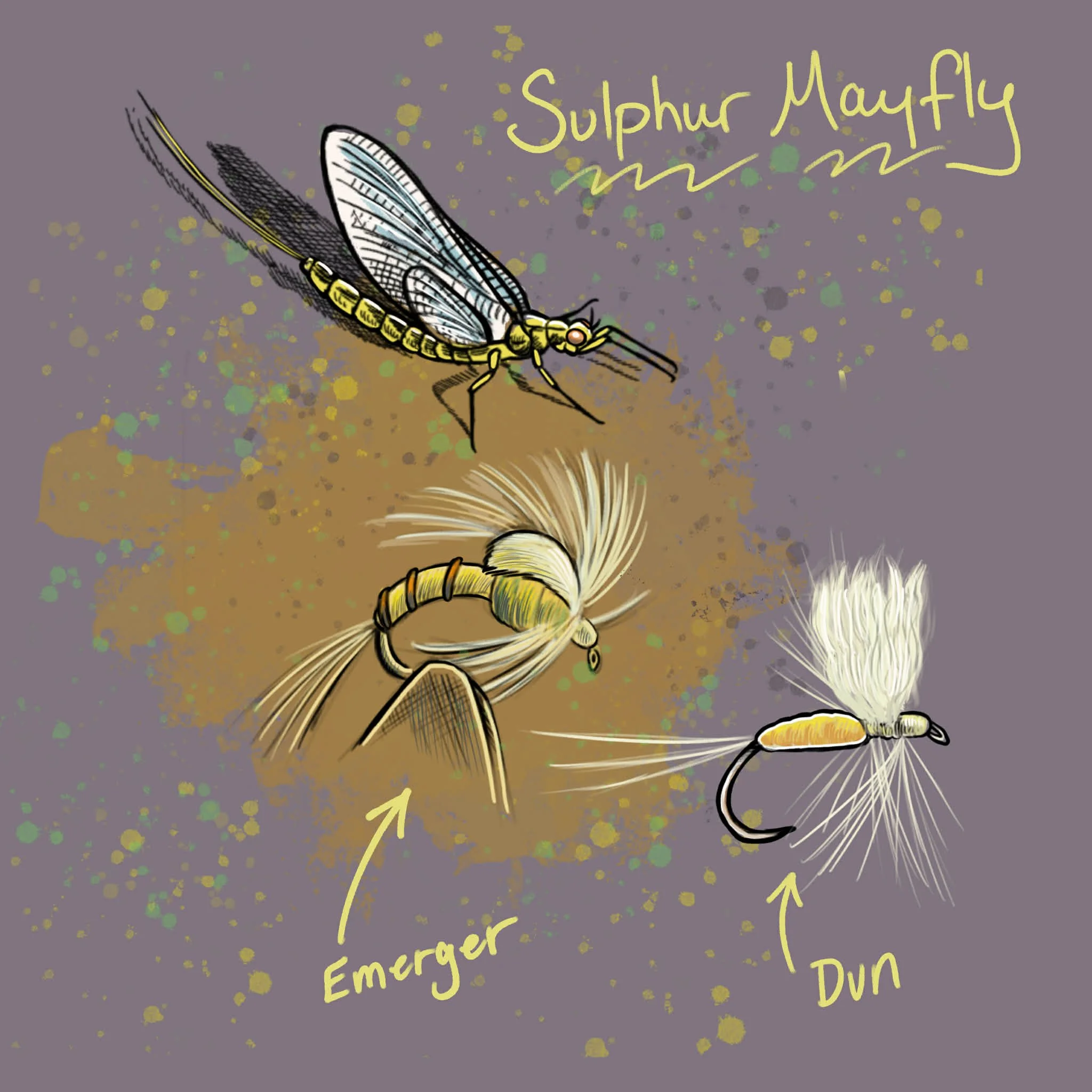
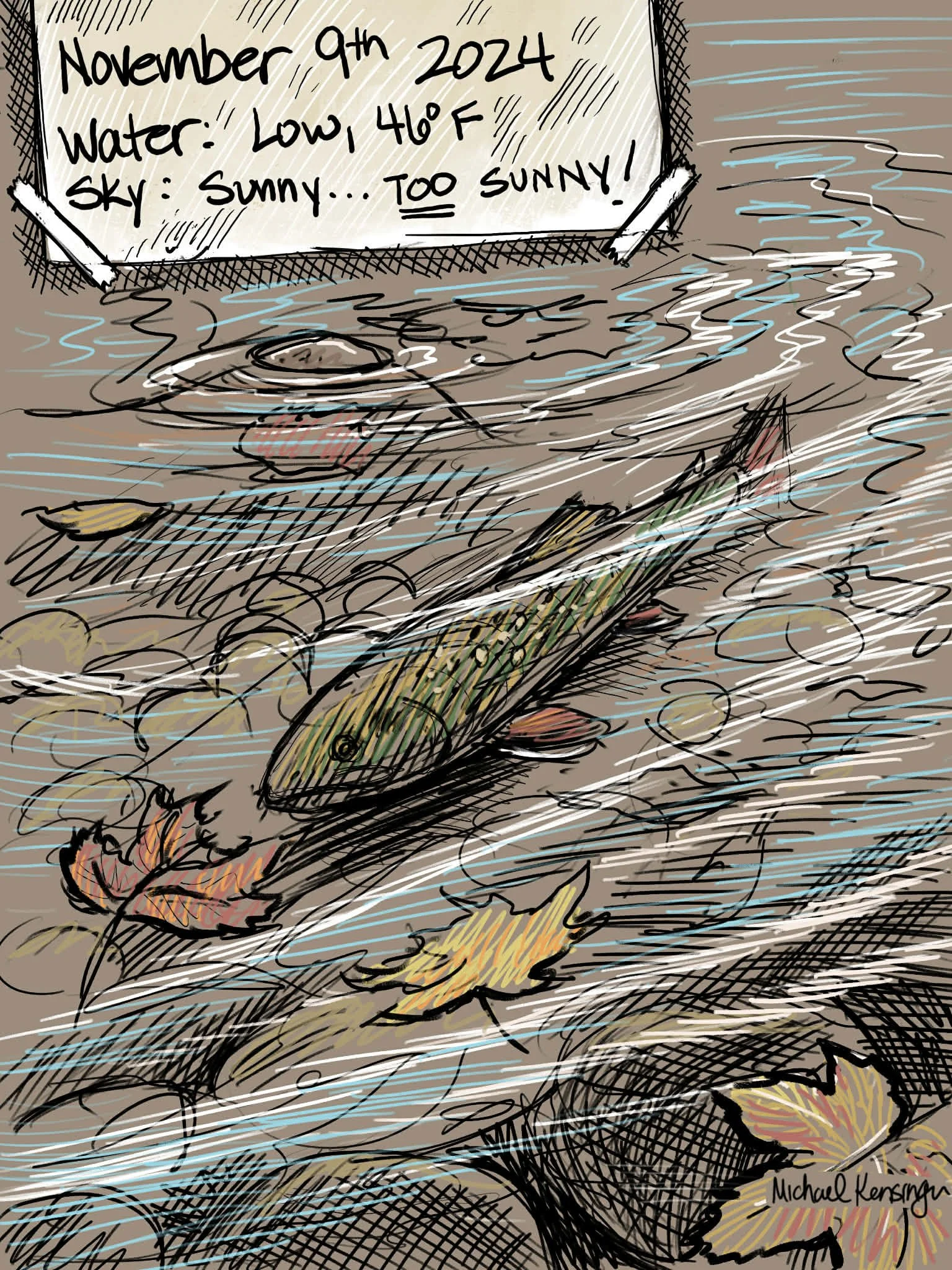
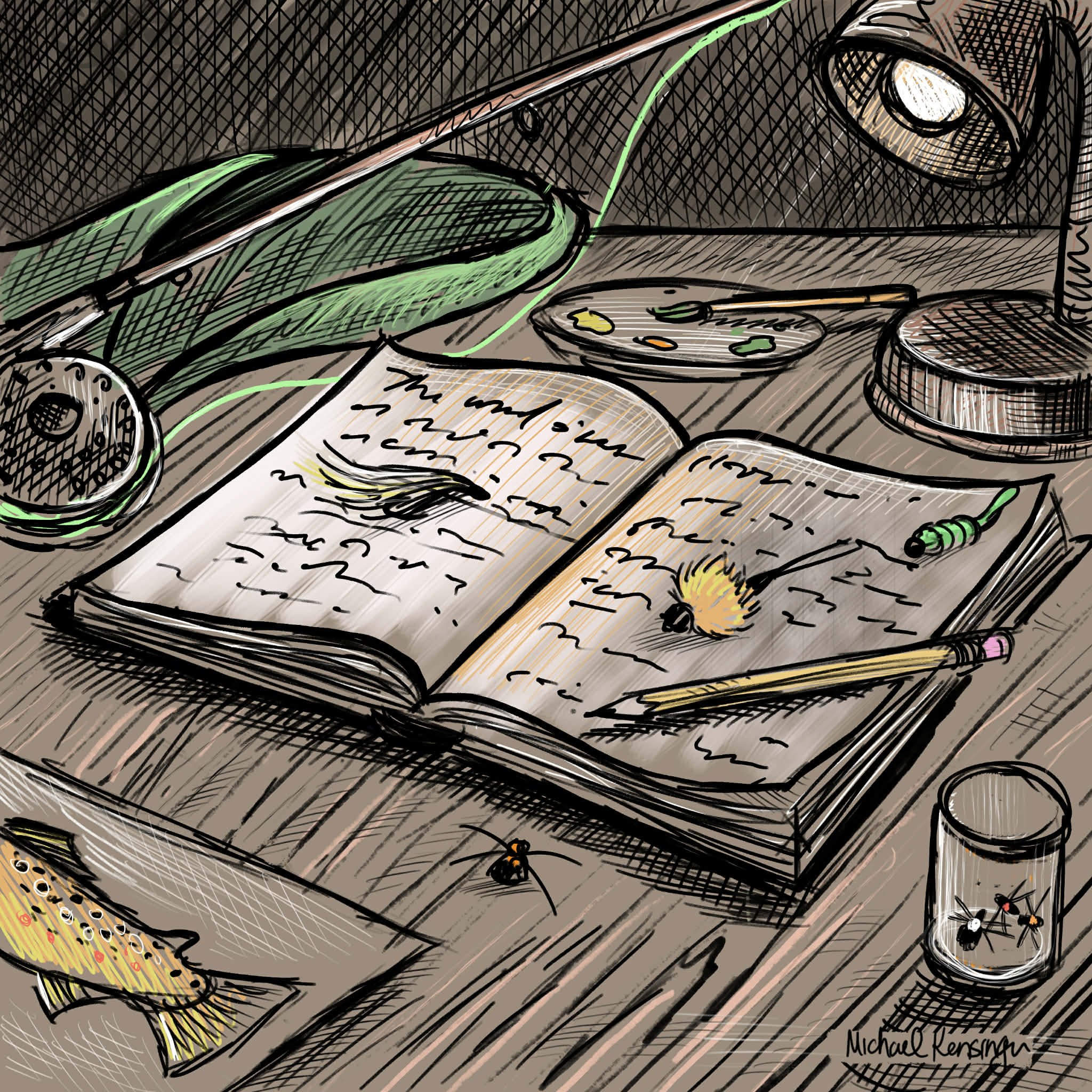
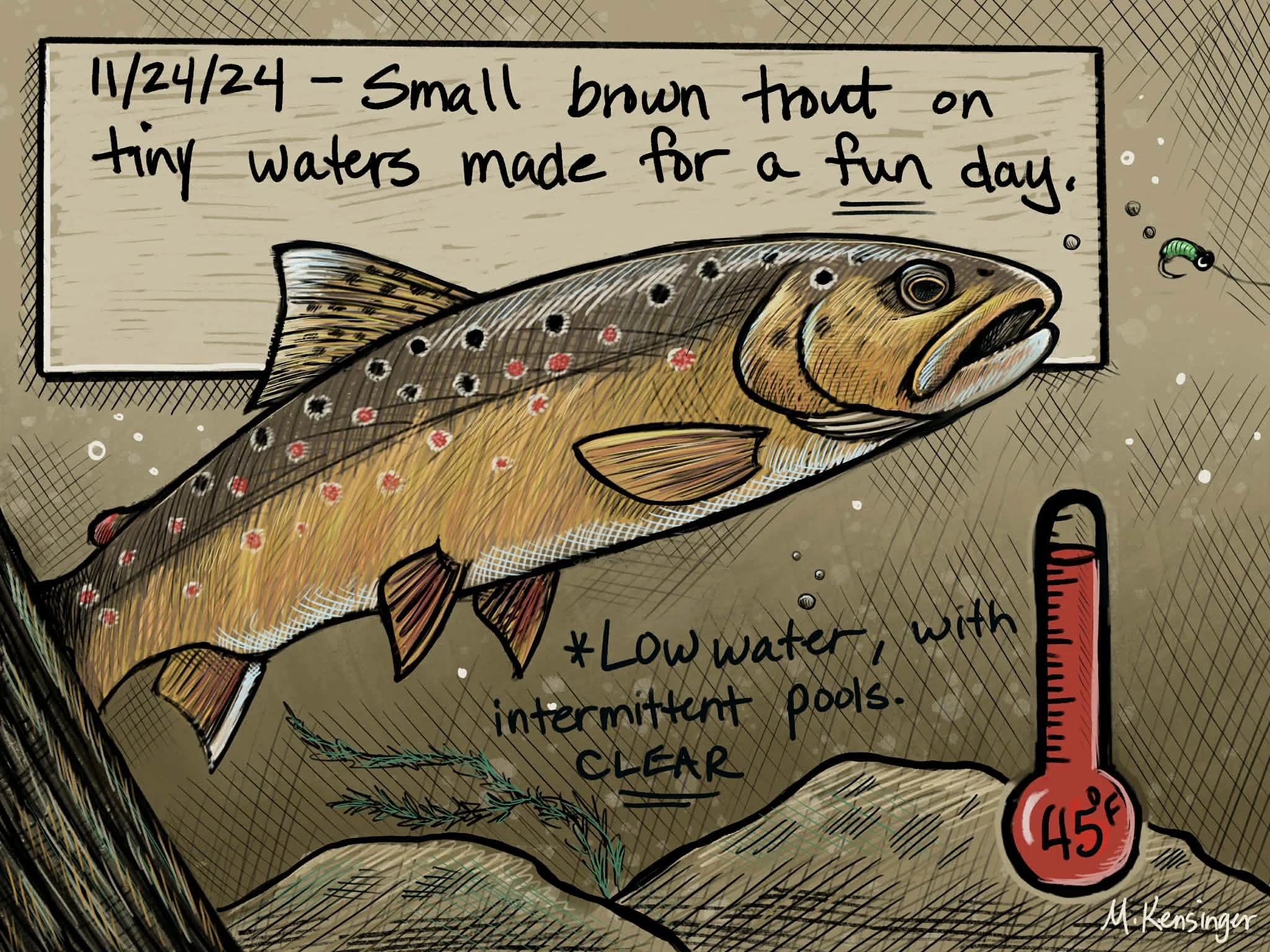
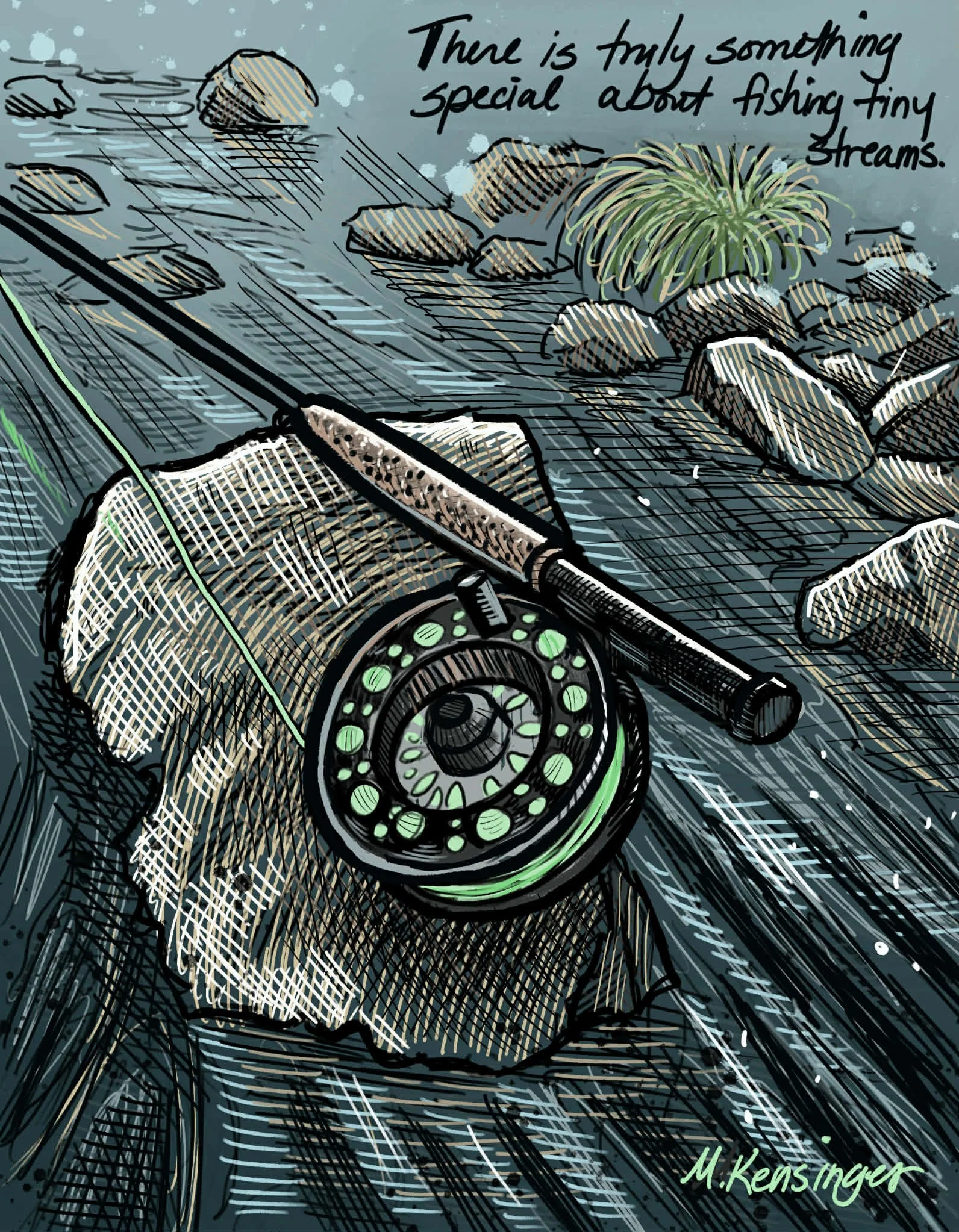
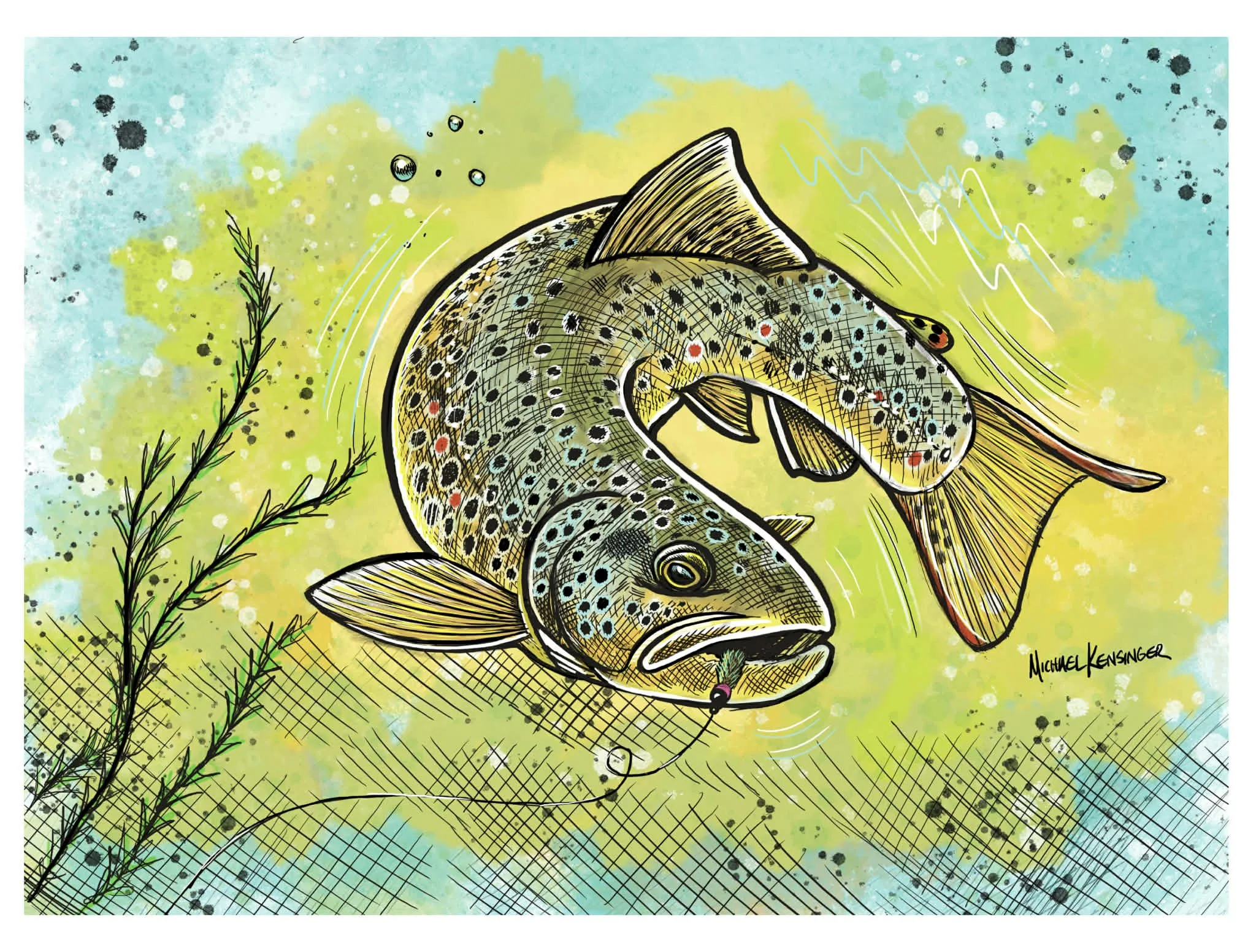
Michael Kensinger Q&A
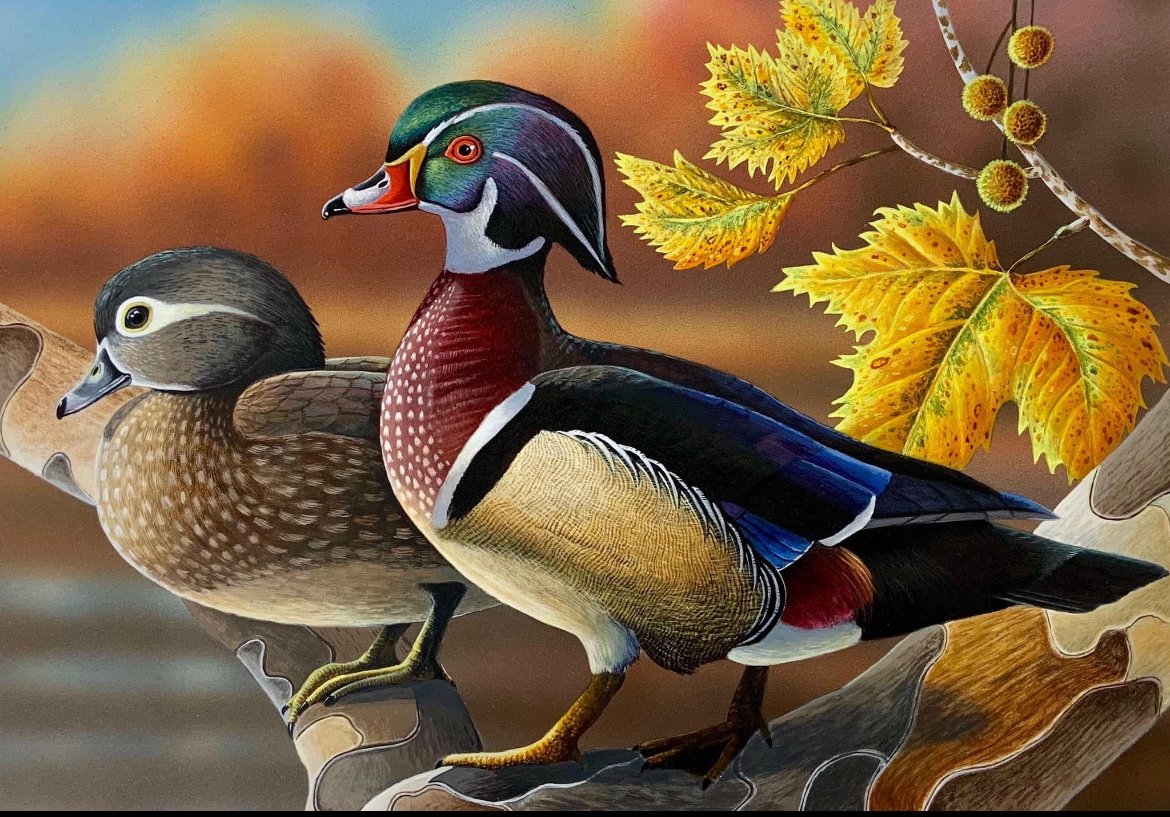
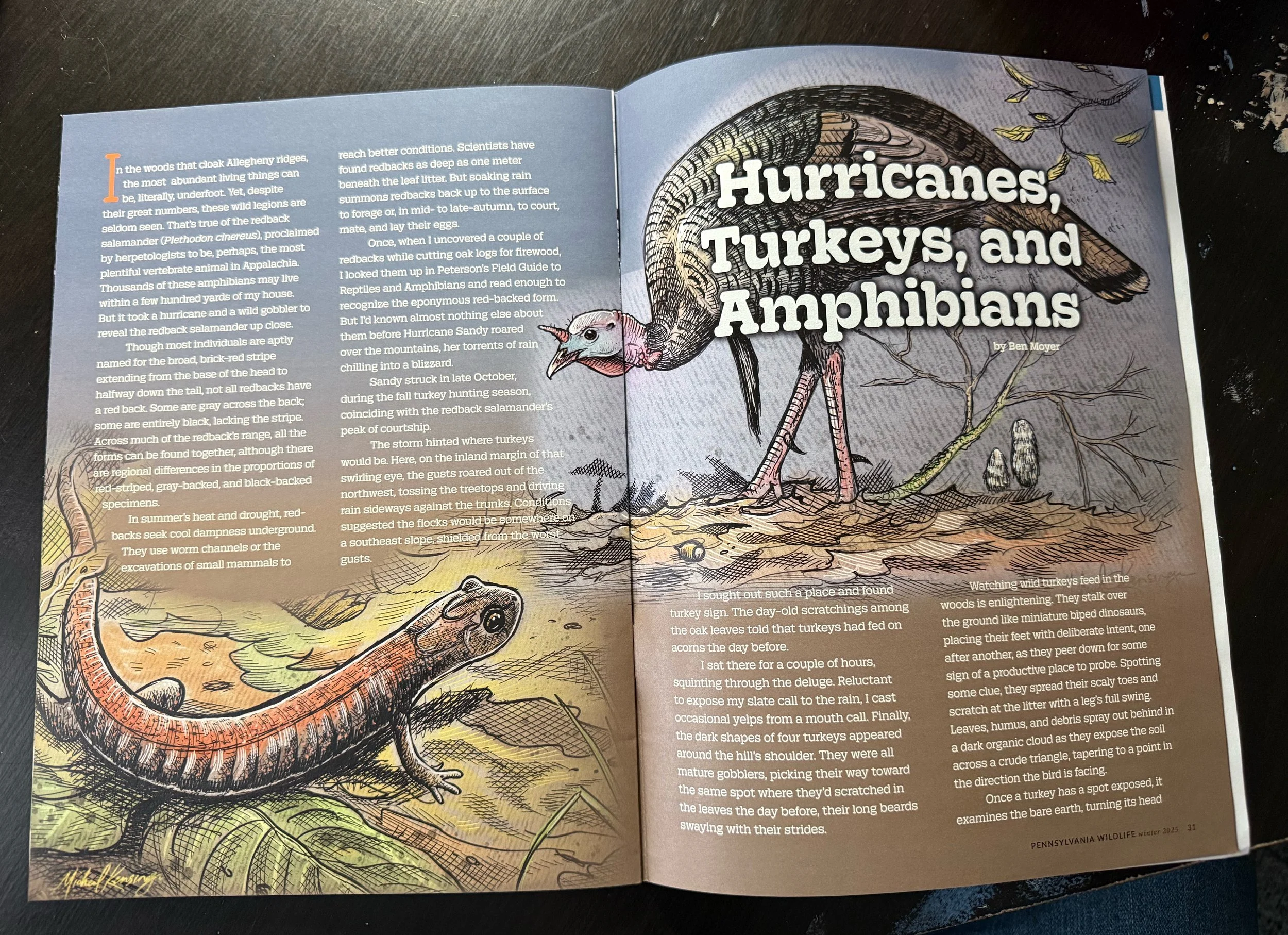
Michael Kensinger is quite a unique talent. He's a writer, artist, and conservationist. He's the President of the Juniata Audubon Society, a member of the Pennsylvanian Outdoor Writers Association, and an avid Birder! You very well may have seen his artwork or articles in Pennsylvania Outdoor News, Delta Waterfowl Magazine, and PA Wildlife Magazine. I'd like to personally thank Michael for his time, and I look forward to seeing his future work!
Q- Michael, you’re involved in so many things. Is there one thing that takes precedent between your writing, art, or your conservation efforts.
A- For me, writing, art, and conservation all feed each other. Sometimes the writing sparks the artwork; sometimes it’s the conservation work that inspires the story. And other times the art simply speaks for itself and for the species I’m trying to honor. But the conservation piece is essential. I don’t think you can truly love nature without standing up for it—that’s just how I see it. I’d feel like a poor excuse for a naturalist, artist, or outdoor writer if I didn’t take a stand for the thing that gives so much to me.
Q- You’re the President of the Juniata Valley Audubon Society. How long have you been active in conservation?
A- Conservation has always been part of who I am. Even as a kid, I was drawn to wildlife—checking my uncle’s bluebird boxes, counting eggs, and rescuing birds after window strikes. Not much has changed, except that now I’m a lot louder and more active about it.
I took my uncle’s passion for bluebird conservation and expanded it by forming the Friends of Tipton Wetlands group on Facebook. We formally “adopt” local wetlands and install nest boxes that benefit everything from Wood Ducks and bluebirds to flying squirrels, owls, and bats. I wanted to go beyond bluebirds with this project, and thanks to dedicated volunteers like my friend Frank Nale, we’ve had great success.
I’m also a certified Wildlife Capture & Transporter, permitted to rescue many species for rehabilitation. I keep the permit in my car because you never know when an animal will need help. Some cases end sadly, others happily—I’ve had the honor of helping re-release Great Horned Owls, waterfowl, squirrels, and more. I’ve scaled back recently as more transporters have stepped up in our region, which is a good thing.
I’m now in my final months as President of the Juniata Valley Audubon Society, though I’ll stay on the board as Past President and serve as a Director-at-Large. It’s been rewarding, but with my writing and art careers growing quickly, it’s time to pass the torch this April so I can focus more on that—while always keeping one foot firmly in conservation. I love JVAS, and always will.
Q- In your opinion, what’s something we can all do to help conservation efforts?
A- One of the easiest ways to make a real conservation impact from your armchair is by buying a Federal Duck Stamp. They cost about $25, and an incredible 98 cents of every dollar goes straight into protecting and purchasing wetlands. As a bonus, you get a beautiful, collectible piece of art that may even increase in value. (They aren’t postage stamps, though many post offices do sell them.)
Q- Your art is heavily inspired by nature. Do you know what you’re doing to draw, or do you let it happen?
A- When it comes to my nature and wildlife art, I always have a plan. While some sketches and doodles flow straight from my pen, the biggest lesson I’ve learned is that any art worth doing requires careful planning.
People often don’t realize how much study goes into realistic wildlife art. I rely on photo references, personal experience, and multiple rough sketches before ever touching a brush. My earlier work didn’t always reflect that—and you can see it—but that’s part of the learning process.
In recent years, my art has improved because I make sure every leaf, seed pod, and detail is accurate. Wildlife art buyers are usually very knowledgeable, and even small errors stand out. For example, a hen Mallard has an orange bill with dark mottling—not a solid yellow. If a painting shows otherwise, it likely came from a misinterpreted photo of a drake in eclipse plumage. Accuracy matters because seeing—and truly understanding—what you’re painting is everything.
Q- What’s your favorite thing to draw?
A- Birds, mushrooms, deer. It’s really hard to narrow it down to one thing because I’m passionate about all wildlife. Birds are what I draw most of though.
Q- What’s your favorite style to create?
A- I’d have to say the vintage-style pen and ink or “line and wash” (ink with faint color) illustrations are my favorite to do. Line is something that doesn’t actually exist, and the challenge of creating a dimensional scene and giving “mass” to a given subject with “line” is really a lot of fun. I know back in the day they used it a lot because it printed so nicely. But, I also find it very therapeutic, and a lot more freeing than say, photo realism. Photo realism allows less room for creativity, because you really have to nail everything. With the pen and ink/sketchbook style, my subjects feel more animated, lively, and also a bit of me — the artist — is allowed to shine through. In sharp contrast, when you are developing a photo realistic painting, your goal is really to eliminate as much of “you” as you can from the piece.
But yeah - for the publications I illustrate for, I generally do the pen and ink style with hatching and crosshatching. It lends itself well to nature journaling, outdoor art, and sort of speaks to the old days of wildlife art to me. Of course, I do it in a modern way as well.
Q- You’ve had the honor of your art being on federal stamps! What are any future goals you have?
A- Yes! My goal is to get my art on the FRONT of a Federal Duck Stamp. The artwork I did for the 2025/26 stamp is on the BACK, and features a graphite drawing i did of a shorebird called a Black Turnstone. What an honor. But I have yet to win the Federal Duck Stamp program and be featured on the actual stamp itself.
I have had the honor of winning Pennsylvania’s State Duck Stamp in 2021 with a painting of Wood Ducks titled “Sycamore Retreat”. Another goal I have is to publish author and illustrate some children’s books, and some regular naturalist-style books. Maybe eventually.
Q- What’s your favorite part about living in Pennsylvania?
A- We have so much to offer here. Within a very short drive you can be in agricultural land surrounded by beautiful farm scapes, or along a brook that snakes through a shady forest in the mountains. I’d say the change of seasons, the mountains, and the quality of natural experiences that are right at my finger tips.
Q- I often ask this question, as I feel we are all trying to figure it out. How do you find balance between your profession and personal life?
A- Balancing professional and personal life can be tricky when your work is also your passion. I love writing, art, and conservation, so it’s easy to get wrapped up in projects. I make it work by planning intentional downtime—playing video games, spending quality time with loved ones, or just relaxing. Those breaks recharge me and help me stay creative and focused when I’m back at work.
Q- I know that you dabble in fly fishing. What’s your favorite fly, and why?
A- I love the “Sexy Walt’s”. Basically - it’s the Walt’s Worm, but with a bright collar, and some added sparkly dubbing in the body. Plus, it’s a locally designed pattern. Fly fishing is so laid back most of the time. I’ve found it to be a lot of fun - but also time consuming. With my schedule it can be difficult to get the time I need to cover much stream with a fly…or…to tie flies which i also enjoy. I also do a lot of spin fishing. Short rod, ultralight gear - pack it in the car for a fun day of fishing when time is of the essence.
Q- How concerned are you with rising temperatures and extended periods of drought?
A- Very concerned. And even more concerning are the number of people who aren’t concerned about it at all. These changes affect every species I care about, from waterfowl to forest wildlife, and they make conservation work even more urgent. Habitat loss, stressed ecosystems, and shifting migration patterns are real threats I see firsthand in my fieldwork and observations. As someone who documents and celebrates wildlife through art and writing, I feel a responsibility to highlight these issues and support efforts to protect and restore the habitats that species—and ultimately we—depend on.
Q- When writing an article, how long do you think about the subject before deciding to write?
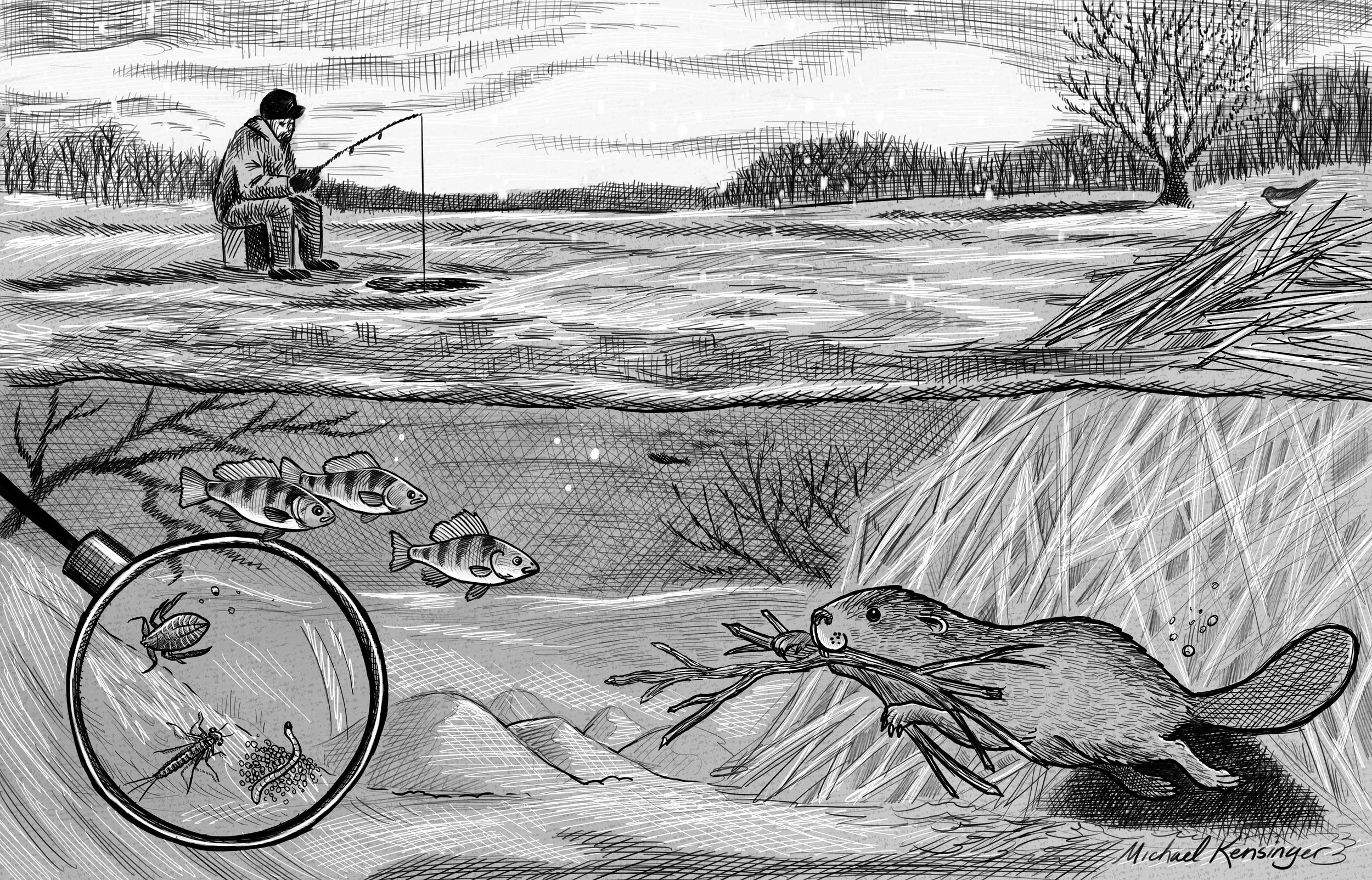
A- Not long. Usually it’s something that pops out at me based on what is inspiring me at the time. Therefore, since I enjoy the “research” aspect, I spend a great deal of time learning or digging deeper to make the article speak to readers. Most often, whatever I write about is something I feel needs to be brought into the limelight. For example, I recently wrote an article in PA Wildlife Magazine that featured “Life Beneath The Ice” - which features some species and tactics our wildlife use to survive winter. A lot of people either don’t think about that, or, they wonder about it. So I was like “Yeah, that’s what I want to write about for the winter issue!” Or sometimes I write about mushroom hunting because it’s super interesting, but also widely misunderstood.
Q- What's your advice for young artists and writers?
A- There is STILL a place for you in this industry. AI will not replace personal experience. I come from the school of thinking that says “People don’t buy what you do, they buy why you do it.” Don’t just write or make art - make it in a way that shares YOUR story as well. I realize that isn’t easy for everyone. Some people are very private, but I think that can be to their detriment. Whatever route you choose, follow it with passion. Or, follow them both with passion, as I have!
Q- What's your favorite species of bird and why?
A- I don’t have a favorite - because I love so many. I’d say one of my favorites is the Wild Turkey. Why? Because they are literally modern dinosaurs. I think studying a turkey can tell us a great deal about what smaller dinosaurs were like. I love their body structure, their habits, the diversity in the sounds they communicate with. It makes me wonder what dinosaurs actually looked like. They likely had colorful flesh (at least the males) and flushed them with color in elaborate displays. Did they all roar? Of course not. Who knows. Maybe some made sounds similar to the gobble of today’s modern dinosaur; the wild turkey.
Q- What are your goals for 2026?
A- I’d like to get some illustration published in a paleoart magazine. Something to do with dinosaurs. I actually have a deep rooted interest in dinosaurs and I think paleoart is very freeing because we know so little about how dinosaurs actually looked in terms of color that artistic interpretation is extremely flexible and creative.
Q- If I had a time machine and gave you a free trip, where would you go and why?
A- As long as I was well-protected (ha!) I would love to go back to the Cretaceous Period and see/study Triceratops and do field sketches of all the dinosaurs of that era. It would be fascinating.
Q&A with Tim Cammisa
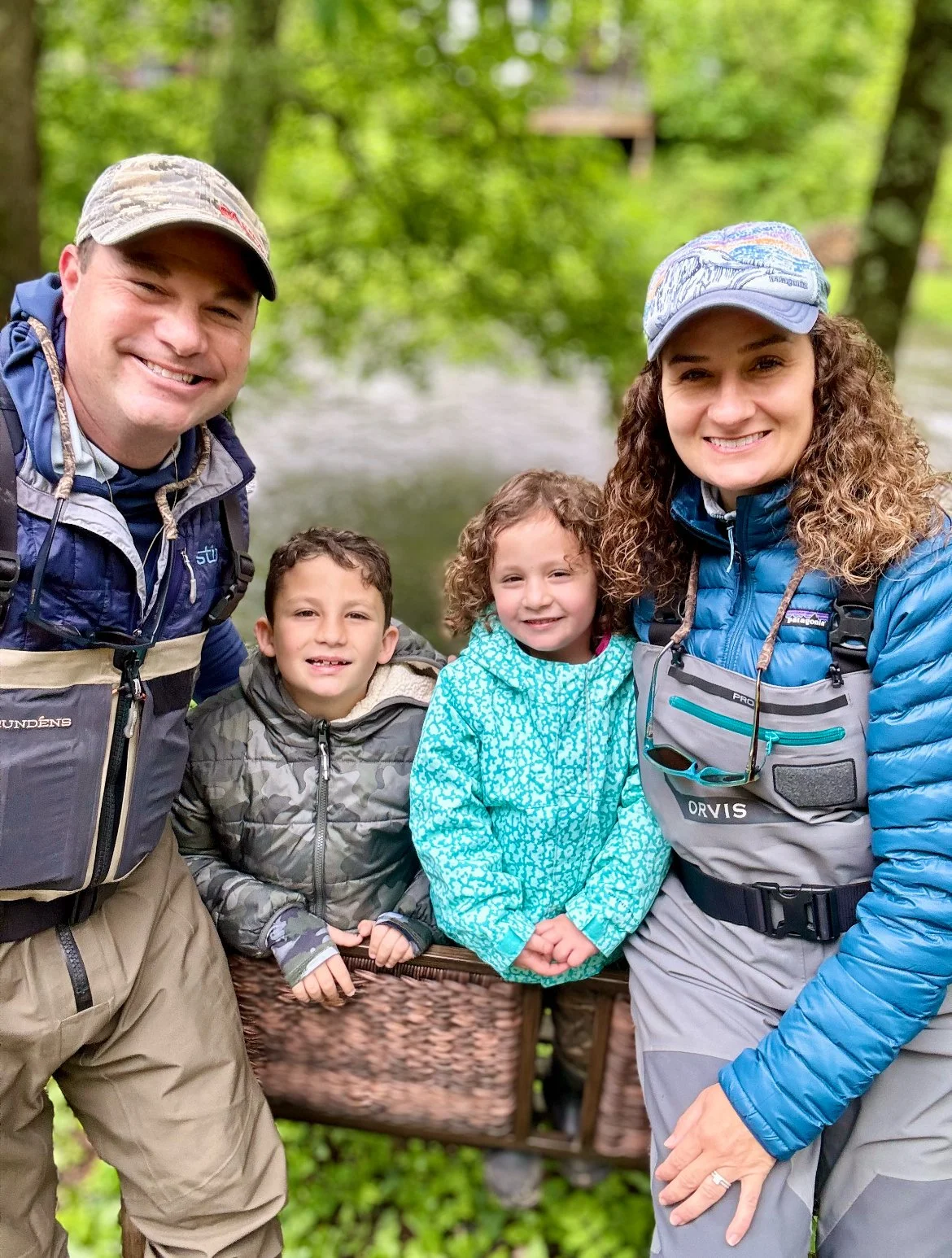
Tim Cammisa is a well known personality in the Fly Fishing World. He’s a Pennsylvania based content creator under the name Trout and Feather. He is also a fly tyer, author, and well rounded fly fisherman. More importantly though, he’s a teacher and a family man. His background in teaching translates flawlessly into his educational videos and books on fly tying. Tim was generous with his words and time to answer some questions!
Q- Let’s start off easy here. When did you start fishing? When did you start fly fishing? When did you start tying flies?
TC- For me, tying came first...my parents signed me up for an after-school class when I was a 4th grader. I had no idea what I was getting into, but that one decision forever altered the direction of my life. The class was amazing, learning to tie different styles was so much fun! Then came the tough part: Catching fish on my own flies.
That Christmas brought with it a 7’6” 5-weight, “tuna can” Martin fly reel, and a really cheap fly line. After figuring out the setup, I began exploring some local waters, including trout streams and farm ponds. The latter was far more productive than the former, yet trout became a fascination. I wanted to catch them all, then began progressing through what some call the phases of fly fishing:
Love to be outside and fish
Catch a fish
Catch lots of fish
Catch a big fish
Catch lots of big fish
Catch a smart fish
Catch lots of smart and big fish
Love to be outside and fish
With a lot of luck and guidance, I’ve made it through the phases, and landed on #8, which is where I believe we should all aspire to live.
Q- A lot of great fishermen, personalities, and fly tyers come from PA. Why do you think this is?
TC- Fishing in Pennsylvania is tough to explain, but it’s almost like a way of life for many of us. Growing up, fishing on the first day of trout season was an expectation with my dad. It’s just what you did, very similar to whitetail deer hunting. But in Pennsylvania, it’s more than trout, we have so many species to chase, including steelhead, largemouth and smallmouth bass, muskies, panfish, striped bass, pike, and more.
The other component is that it’s not always easy, forcing you to think outside of the box a lot, especially when targeting fish on pressured waters. Because of that, anglers from PA have to simply up their game. No matter where I travel to fly fishing around the world, the guides there have always told me that Pennsylvania anglers are their top fishing clients, they come prepared and with lots of fishing knowledge. Personally, it’s an honor to be part of this tradition and I am proud to represent Pennsylvania no matter where I’m chasing fish or tying flies.
Q- What’s your favorite fly, and why?
TC- Wow, now we’re getting to the tough questions! Since I’ve mentioned trout a few times, let’s stay on that path, acknowledging there are so many great methods to catch them. Some of my favorites include Euro nymphing or stripping large streamers, but my favorite style is dry flies. Nothing beats casting a fly on the surface and waiting with anticipation while a brown trout rises to eat…an X-Caddis, my favorite dry fly!
My reasoning is simple: This fly catches fish. It represents a caddisfly as it’s emerging into an adult, which is a vulnerable stage for this insect. Trout know that and tend to key in on that stage, something I learned from my days guiding on the Delaware River. With caddisflies found on moving water around the world, this pattern can live in my fly box and be ready no matter where my travels take me.
As a tier, this is a fun one, incorporating CDC and deer hair, two favorite materials. Because I’ve released multiple fly tying videos on my YouTube channel about this one, I get lots of questions about tying it. My secret is simple: Repetition of that deer wing. I recommend just practicing forming deer hair wings on a hook, then using a razor blade to remove the wing and tie another, and another, and another. Tying with deer (or elk) hair can be tricky at first, but stick with it because many effective patterns incorporate deer hair.
Q- What’s your go to fly rod?
TC- When I think of fly rods, I tend to associate them with the species I’m chasing. They’re like fly fishing styles, each is another arrow in my quiver used for a specific target fish. Since I’ve had the opportunity to cast lots of rods over the years, and if I had to narrow my collection to just four (which I could never do), they would include:
Euro nymphing rod: Righ now, I’m throwing a 10’9” 2-weight that has landed fish from Montana to Iceland. This stick excels with light tippet and flies, perfect for spooky fish in clear water.
Standard fly rod: This is dependent on the conditions and size of flies I’m throwing, but my go-to fly rod is either a 10’ 4-weight or a 9’ 6-weight. The 4-weight is more of a finesse rod that allows me to throw dry flies and nymphs, then the 6-weight is there if I’m targeting larger trout with streamers, especially in windy conditions. Most of the large trout I’ve landed in the last few years have been caught with my 6-weight, many on dry flies. Most of my standard trout rods are sensitive in the tip, which helps to protect light tippet.
8-weight: When it comes to some larger species that I love to target (especially Atlantic salmon, redfish, and striped bass), the 8-weight is my preferred fly rod. This is where I gravitate towards a fast-action rod that can toss heavier flies.
Musky! This is a recent addiction of mine, as my buddy Bobby Kish introduced me to musky fly fishing. We’ve had a lot of success fishing together, and the canon I carry is a 9’ 12-weight. Though I believe many of the fish can be landed with lower weight rod, the flies I’m throwing are simply gigantic and wind-resistant. In short, it’s important to practice casting with this rod prior to fishing with a 12-weight for multiple days!
Q- I think we are in an exciting time for fly tying especially. Who is on your radar in the fly fishing and fly tying world?
TC- Exciting is an understatement, we are so fortunate to have such quality materials today with tiers using them to solve all sorts of problems. When it comes to specific tiers, there are way too many to list, but the one area to highlight is the fact that so many younger tiers are pushing the envelope, which I love to see.
Q- What’s your favorite place you’ve fished and why?
TC- This is such a tough question to answer, especially because I tend to be influenced by the last place I fished, time of year, and upcoming travel. As I sit typing now, my last two weeks included incredible experiences. After targeting brown trout and cutthroat in Montana with my wife Heather, I returned home to meet up with buddy Bobby Kish as we chased muskies around Ohio. Soon, steelhead that run the tributarites of Lake Erie will begin calling my name…starting to see the problem?
No matter how exotic the destination, my favorite place is more about who I’m fishing with than the location. In Pennsylvania, fishing the first day of trout season is a special time of year. As a boy, I remember early mornings with my dad, walking for what seemed like miles to find a spot just for us. Now that weekend is reserved for my family, as Heather and I bring our children to central Pennsylvania, on the hunt for wild brown trout. Though my kiddos surely spook more fish than we catch, that time on the water means more to me than all of my other days spent in Iceland and Alaska combined.
Q- Favorite Pennsylvania stream?
TC- To answer this one, let me tell you a little story. Taking my children fly fishing is part of life, yet I know that if there is a weak link in the secrecy of the places we fish, it would be one of my kiddos. When we saw other anglers or friends after a trip, my son Angelo was quick to share a story of our fishing excursion, which many times led to him also sharing a “secret” fishing location. So I soon learned that when it was time to go on a trip, no matter the location, we always referred to the stream as “Spring Creek.” Is there a stream in PA by that name that I love to fish? Absolutely! But there’s also about 50 other ones that draw me back regularly, hence it’s impossible to narrow my answer to just one favorite stream.
Q- In your opinion, what is the most underrated/underutilized material in fly tying?
TC- With so many tiers now creating incredible and dynamic patterns, it’s obvious that most materials get showcased regularly. For my personal tying, I utilize every material I can get my hands on. This includes materials from Semperfli and UV resins by Solarez; I’m proud to be associated with two companies that produce some of the best fly tying products on the face of this earth.
However, there’s a place in my heart for natural materials. Finding and selecting the best ones is a challenge in itself, one that never seems to get any easier. As I thinkn about all of the flies I tie regularly, most incorporate one of these materials, which I consider the top five in fly tying:
CDC: Used in both dry flies and nymphs, this is a magical material that fish can’t resist.
Pheasant tails: Show me a fish, and I’ll show you something that will eat a fly tied with PT fibers.
Marabou: The buggy nature of this material makes it ideal for tails, yet there are some other creative techniques that turn this into an indispensable material.
Hare’s mask: Because I prefer to blend my own dubbings, this is the base of nearly every recipe I’ve created in the last 30 years.
Peacock: No list is complete without herl and stripped peacock eyes.
Q- Do you prefer Euro Nymphing to conventional fly fishing overall?
TC- It’s easy to say “yes” to this question, especially as I recently released a book about Euro nymphing! If I’m fishing locally for trout in moving water, then yes, I love a Euro nymph setup to throw dry flies, nymphs, and even streamers. However, the style I choose is tailored to a few areas, which include:
Species: Living in Pennsylvania, trout is a favorite species that I target with a Euro nymphing setup, but what about steelhead, striped bass, and muskies? Sure, there are part of Euro nymphing I can apply in other situations, but with larger species, I am more comfortable with a single-hand fly rod and a more traditional setup.
Larger flies: This category includes patterns like Game Changers and articulated streamers, and I am most comfortable throwing them with fly lines that help to turnover the flies for maximum distance and accuracy.
Weather: Fly fishing in destinations like Iceland, Alaska, and Montana mean lots of things to me, especially with big trout…but don’t forget about that wind! In inclement conditions for trout, my 9’ 6-weight is a go-to stick that I feel most comfortable throwing.
Q- When building your brand, what’s your favorite thing you learned that has nothing to do with fishing?
TC- Building a brand is a lot of work that pushes you in so many areas of life. The number of lessons I’ve learned seems to grow daily, as there are always challenges that get in the way of what you’re trying to accomplish. In short, show up, be intentional with your time, and follow through on the important things. Fly fishing, business, or family, these concepts hold true.
Q- Do you plan on writing anymore books?
TC- Writing a book this early in my life was never part of the “plan,” yet here I am with two published books that I’m incredibly proud of. As an elementary school teacher, I envisioned spending my retirement writing fictional stories; John Geirach’s Even Brook Trout Get the Blues is a book that I’ve read so many times, it was nearly embarrasing when I asked John to sign my ragged copy! In short, there are a few ideas in my head to continue in the nonfiction and educational realm first, then I plan on jumping into some creative writing at some point in my career.
Q- I always enjoy seeing your family posts. I’m a firm believer that balance is the most important thing. What’s your secret to maintaining a healthy family/work/fun balance?
TC- Wow, this is a tough question to answer, as my wife would probably say that I’m into fly fishing a little too much! Being that the outdoors were such an integral part of my life before having a family, it was a natural fit to include them in all of the fun. Pulling it all together is Heather, who did not fly fish when we first met. I remember taking her brook trout fishing, with dry flies and a bamboo fly rod I built myself; in her eyes, it wasn’t “real” fly fishing because we were dapping the fly, and not casting it.
A couple years later, Heather read a few things about mindfulness and how fly fishing made a positive impact on your life, so she was interested again! We started off fishing in central PA before she soon was traveling with me to Iceland a couple times a year. With her loving support and fully embracing the sport, our kids are naturally along for the ride, thus most family vacations are centered around water. Is it easy to balance everything? Of course not, I’m answering this question seconds before bolting out the door to get my son to his soccer game! But the secret, anytime you can combine your family and fun with some work, good things are guaranteed to happen.
Q- It’s easier than ever to start a social media based business. What’s your advice to someone just getting into it?
TC- Social media is definitely a way to connect with audiences and communities within the fly fishing world, and I’ve enjoyed doing so for over a decade. Since the question includes the word “business,” my recommendation relates accordingly. As with any business venture, decide where you’re heading first; that helps to dictate all of your future decisions. If an aspect of social media is not helping you get to the outcome, ignore it and focus on those that do. In short, no matter what the venture (trading cards, healthy living, or fly fishing), treat it like a business and do your homework on ways to succeed.
Q- Whats your favorite non fishing related book?
TC- A favorite of mine since I was in elementary school is Where the Red Fern Grows, undoubtedly one of the reasons I’ve had an English pointer or another dog for the last 20 years!
Q- If I built a Time Machine and gave you a free trip, where are you going and why?
TC- A time machine implies that I can fish in any century, and I would love to see Pennsylvania’s top trout streams a couple hundred years ago. With tales of giant brook trout before other species were introduced, give me the opportunity to catch some monster brook trout on a dry fly!
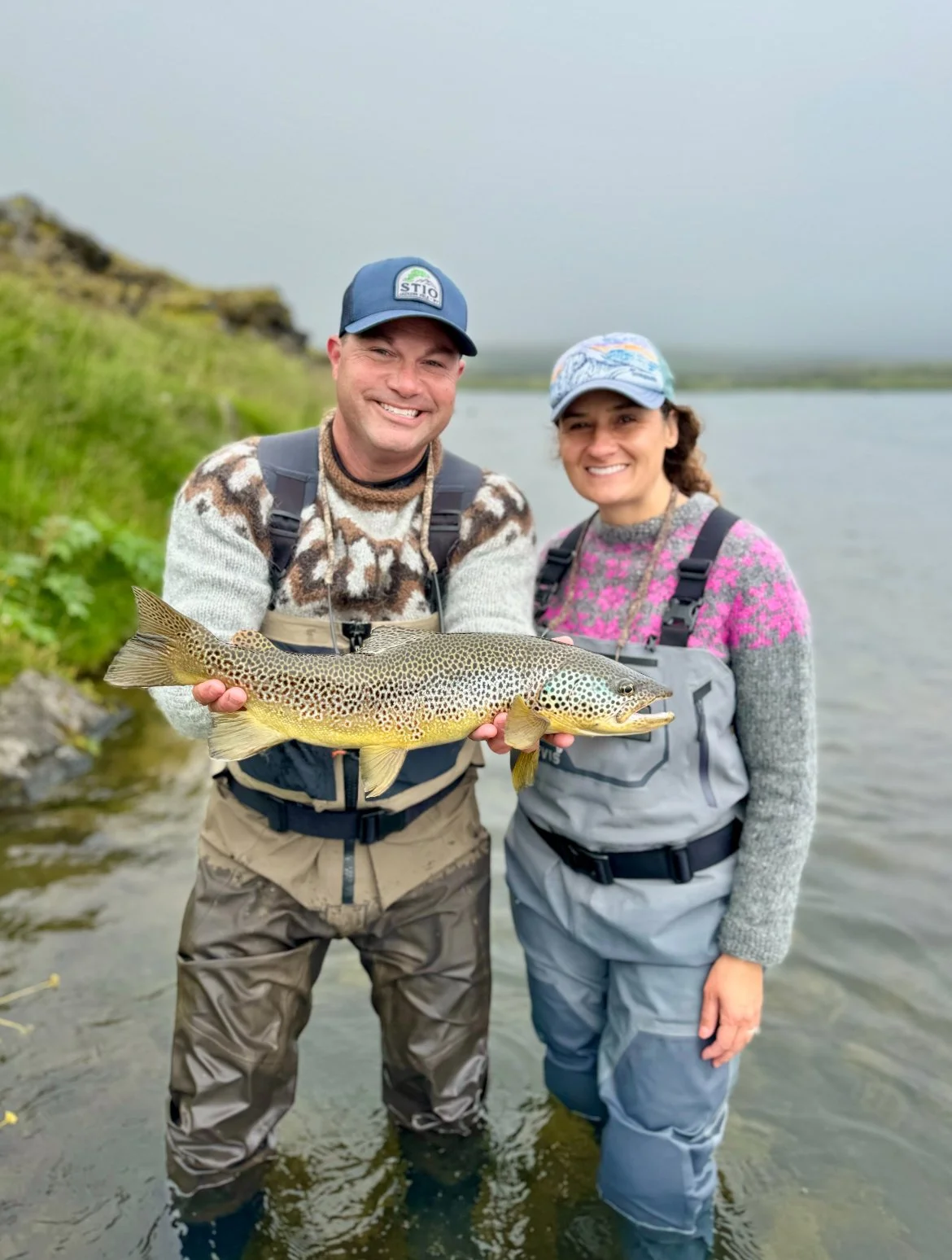
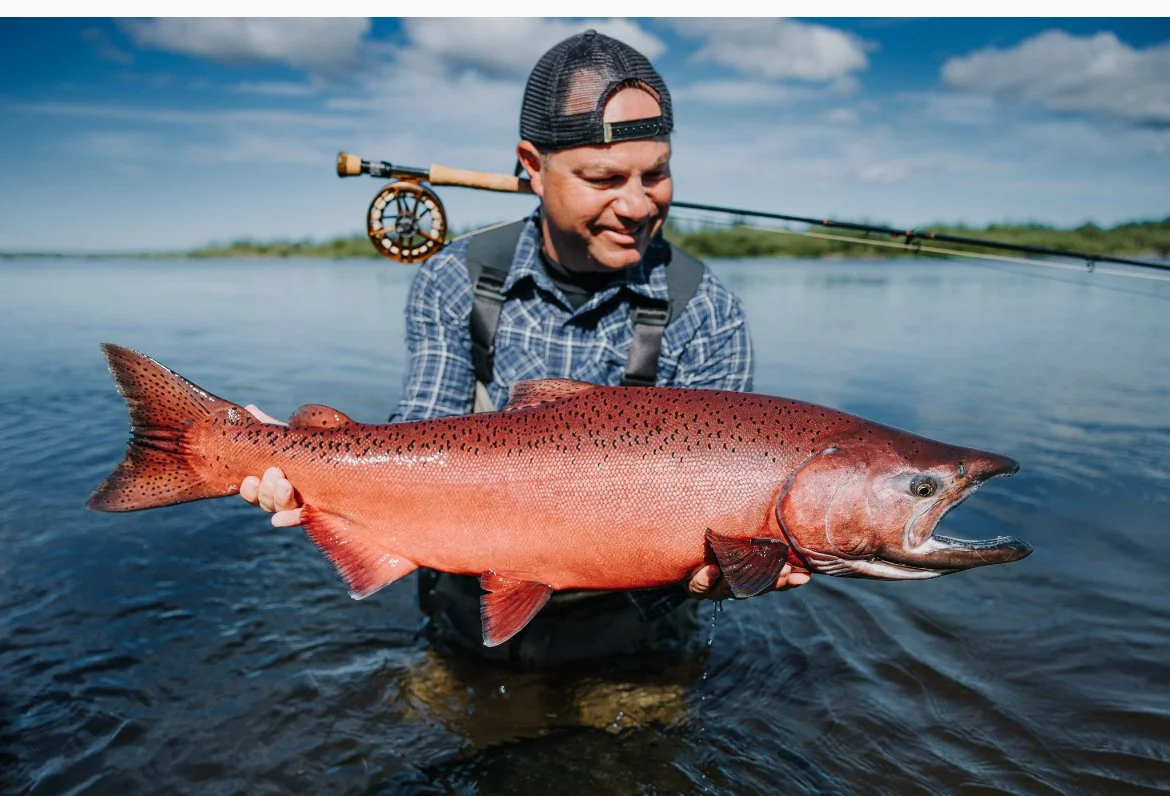
Coltin Gressers guide to Crappie on the fly!
Now this is not a very talked about subject. When folks hear of taking the flyrod out, they talk about targeting trout, salmon, and even bass. I am here to tell you that finding a school of golden crispies on the 3 weight is a hoot! This will be broken down into three sections. First will be the gear needed. Second will be the tactics on how to fish and where to fish. Third and final will be a reminder to not forget the fish batter, oil, and most importantly the beer.
1. Gear needed
White crappies and Black crappies are fish that reach on average sizes of 8-14 inches. Catching a crappie that is 15 plus inches and weighs over a pound is a trophy catch. Keeping this in mind these are not super powerful fish. Any 3-4 weight reel will do. I will use a 5-weight reel most of the time. This is for insurance purposes in case I hook up with a stud crappie or the occasional Largemouth bass or Smallmouth bass.
A quick rundown on leader and tippet sizes. The smaller the number the bigger the diameter and the more weight it can hold. For example, 5x is the size of leader or tippet. 5x= line strength around 4.75 lbs. Where 7x= around 2.5 lbs. of strength. I usually use Fluro-carbon style leaders and tippets. If you like monofilament go right ahead. Whatever you fish more confidently use it!
The leaders I use when targeting those tasty bastards are sizes from 5x-7x. Whatever size leader I use, I will usually use a smaller tippet. This helps with hiding your line more when it enters the water. Incase your loss like I usually am when it comes to life don’t worry here’s an example. If I fish a 6x leader I will use a 7x tippet. This means that the leader will be stronger and thicker, while my tippet is smaller in diameter helping hide my line in the water better.
For fly line this is going to be up to you. There are two paths you can choose from. Path one is using floating line. This will keep your flies higher in the water column. When fishing at depths of 1-8 feet I like using this technique. The crappies tend to feed above them; this creates a nice presentation for the fish. Path two is using sinking line. When you are using heavier streamers and nymphs at depths of 8 feet or deeper, this helps you get down to where the fish are.
Now for the fun part…the flys! Best part about crappies is that they are predatory fish. They feed in schools, so when you catch one, be ready to catch more. The patterns I have done best on are bait fish streamers. A battle tested fly that has helped me fill my LiveWell is the KO streamer. Both the green and white and the brown and white. Any colors of green, white, silver, blue, pink, and chartreuse will do you good in the crappie world. Now if you don’t have a baitfish/ minnow patterns don’t worry. Your macro-invertebrates got you covered too. I have caught fish on stonefly, caddis, and mayfly nymphs. My little secret is a black and purple size 10-14 balanced leach. Man, oh man do those paper mouths love it.
You can catch them on top of the water too. Anything you would throw for bass, downsize it a size or two and be ready. They are not the best at tracking baits on the top, so be ready for a lot of misses. I have caught them on small poppers, dry flys, heck even size 16-18 top water frogs.
2. Where and how to fish
After feeding you information through a garden hose on the gear break down. I will try to keep this simple as possible. Where to target crappie can be a whole article itself. To make things easy the number one place to look for crappies on the fly is in the spring when the crappies go to spawn. Look for lakes with coves that have a depth of 10 feet, and as you approach the shoreline it shallows up. Rock points that have a good shelf are a great place to start. If you catch them shallow off of the points, and they have a big egg belly. Start looking shallow towards their spawning beds. On the other fin (yes pun intended lol). If you catch them on the deeper drop offs of the rock points then go target deeper water, they might be still staging to spawn, or post spawn feeding.
How to fish your flies. This will be a skill learned out in the water. Try the constant retrieve of your fly after letting it sink 1-3 feet down. If that doesn’t work add a pause in your cadence. Strip pause and strip pause. Or strip strip pause. Fish those different styles for a good 30 minutes and switch. Don’t be afraid to add a strike indicator to your rig. The extra buoyancy to your fly may just be the ticket to entice those finicky bastards. Keep trying new things. You never know what might work on the water. Heck even dead sticking flies catches fish!
3. Beer, batter, and oil
In my opinion there is no better way to celebrate a limit of paper mouths other than cleaning them, putting them in milk and batter, and frying them the same day. For all the hard work you did getting prepped and ready to chase these fish on the fly you deserve a beer! It also pays respect to all the fallen flies that were either KIA or MIA on the water.
PGH flies are the best in my opinion because they were made to target trout, but they are a go to fly when it comes to many other species. The versatility of his creations speaks to his craft as a fly tyer. Go check his store out, you will not be disappointed. As I always say. You can’t catch them from the couch, get up and go fish!
STAY DEGENERATE!


Q&A with The Fly Smith!
A Q&A interview with the Fly Smith!
Fly Smith
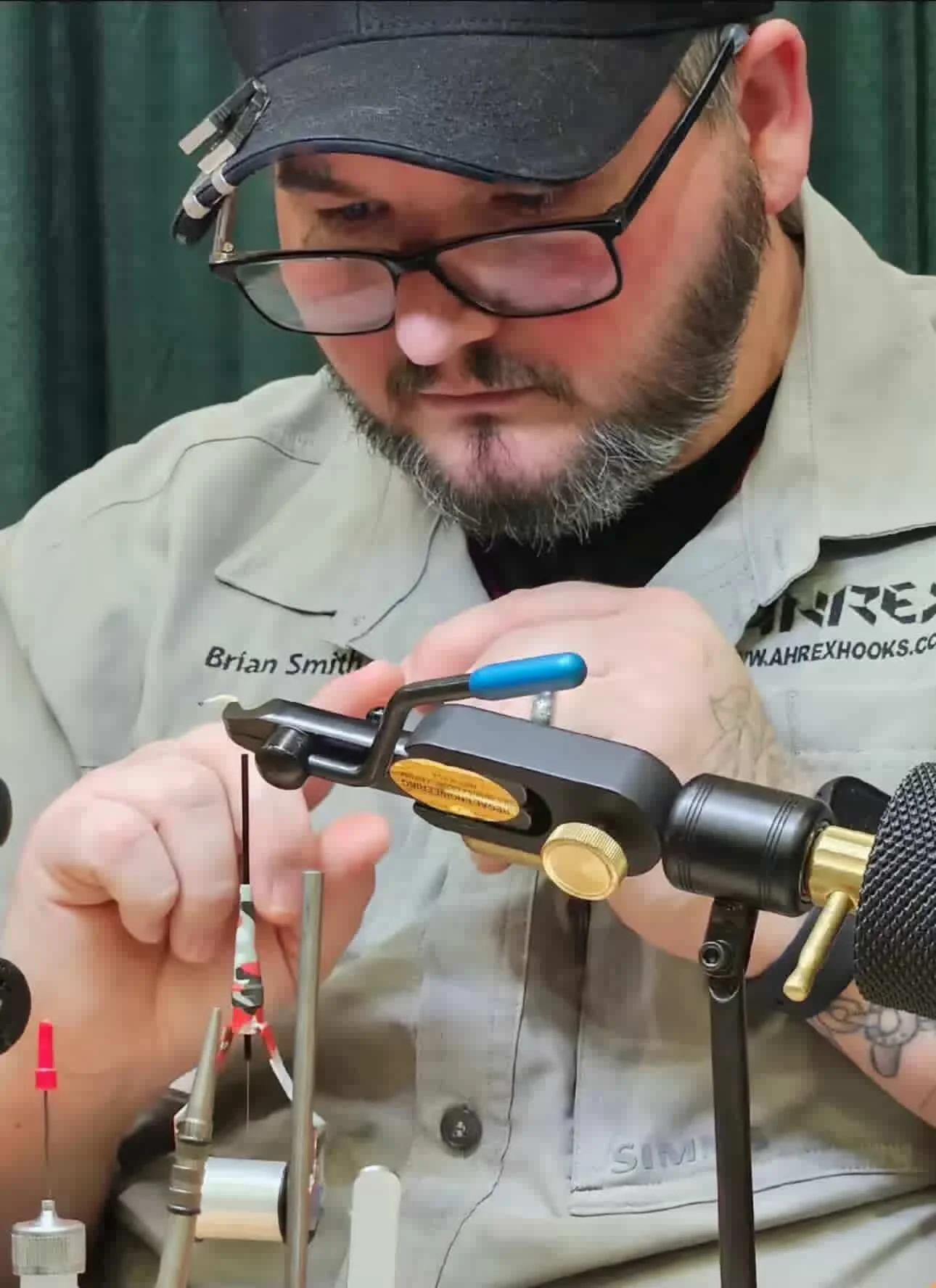
I wanted to kick this series off with a bang, and who better to start with than the Fly Smith? If you’ve been online, chances are you’ve seen atleast one of his videos! Brian is a social media phenomenon that has blown up like nobody else in the fly tying space. He runs an online shop selling his own branded thread, tying tools, materials, and flies. He Livestreams on his YouTube channel Wednesday through Sunday at 9-11pm EST
Q- How did you get started in fly tying?
FS- I got started into fly tying because my neighbor took me fly fishing for bluegill in 2022. He kept raving about a fly called the sneaky Pete, but they weren't made anymore, so I bought the stuff to tie him some and was addicted immediately!
Q- How much do you fish? Do you use your own flies?
FS- I use my own flies mostly, but I also use others. I fish when I can, but it's been spread out the last few years
Q- You have a background as a tattoo artist. Is there any way you think this helps you in your fly tying?
FS- Being a tattoo artist definitely helped a ton. Fine detail work is what I specialized in, so that just carried over.
Q- You’re currently in Virginia, were you raised there or did you move there?
FS- I was born and raised here. But, I lived in Indian in 2015 for a little bit!
Q- How has your current location shaped how you do business?
FS- There's no fly shop within 45 min, so sourcing my own materials drove me to sell them as well, so it did help to get me going.
Q- What’s your favorite material to work with?
FS- My all time favorite material is latex!
Q- What’s your least favorite material to work with?
FS- My least favorite material is golden pheasant crests, they are so difficult to work with.
Q- Social media has been a game changer in many fields. Do you think companies like ours could operate successfully without it?
FS- I wouldn't be where I am without social media, and most of the younger generation shop online, so it's essential to a successful business.
Q- Sometimes the internet can be exhausting. It’s hard to take breaks when you run an online business. What’s the best way you’ve found to deal with it?
FS- I haven't found a way to deal with the stress of running a business. I just suck it up and do it anyway
Q- I believe in finding a good balance. But, finding a healthy balance between family, work, and fun can often be challenging. What’s something you do to help maintain a balance?
FS- Something I've done to maintain a healthy balance between my business and my family is to get them involved!
Q- As someone who puts their own materials out, what’s your testing process like?
FS- My testing process is never based on first impressions. I will use something until I use it up or wear it out before deciding to sell it, even if it's a known and trusted product.
Q- It’s obvious to see your impact on the industry. Do you see The Fly Smith as a major player in the next five years?
FS- Yes I do see TheFlySmith as a major player in the next 5 years. I have a lot of plans going forward!
Q- Are there any books as far as bugs, fly tying, or fishing that you recommend?
FS- I would recommend trout by Ray Bergman, and The Complete Book of Fly Tying by Eric Leiser.
Q- If you could go back and do anything differently in your business, what would it be and why?
FS- If I could go back and do anything differently, I would've started much sooner. I'm happy with the progress, though.
Q- How can we make the fly fishing and fly tying communities better?
FS- We could make the communities better if we all studied the history of what we're doing. It would then give us all a similar foundation and respect for the hobby / sport.
Q- If I built a Time Machine, where would you go and why?
FS- If I had a time machine, and could only apply it to fly tying, I would've wrote a lot of books to help preserve the history
Not fly tying related- I would've went back to witness Jesus. It would answer every question I've ever had.
Q- Why do you prefer your favorite tying style?
FS- I prefer to tie older winged wet flies. It is challenging, and they not only look gorgeous, but they are functional.
Q- What is your dream fishing destination?
FS- My dream fishing destination is Argentina, Patagonia!
Q- If you had any advice your new tyers, what would it be?
FS- My advice for new Tyers is simple: buy once, cry once. Buy the good stuff the first time, you'll save more money in the long run.
You can find him on Instagram and YouTube under the name tiesflies

Brian Smith showing off his tying skills
The reworking of the blog
It’s been a long time since I posted on here. I’ve been bouncing around ideas for quite a while, and I’m going to shake it up a bit. Stay tuned because we have some absolute bangers coming up here!
