
Q&A with Tim Cammisa
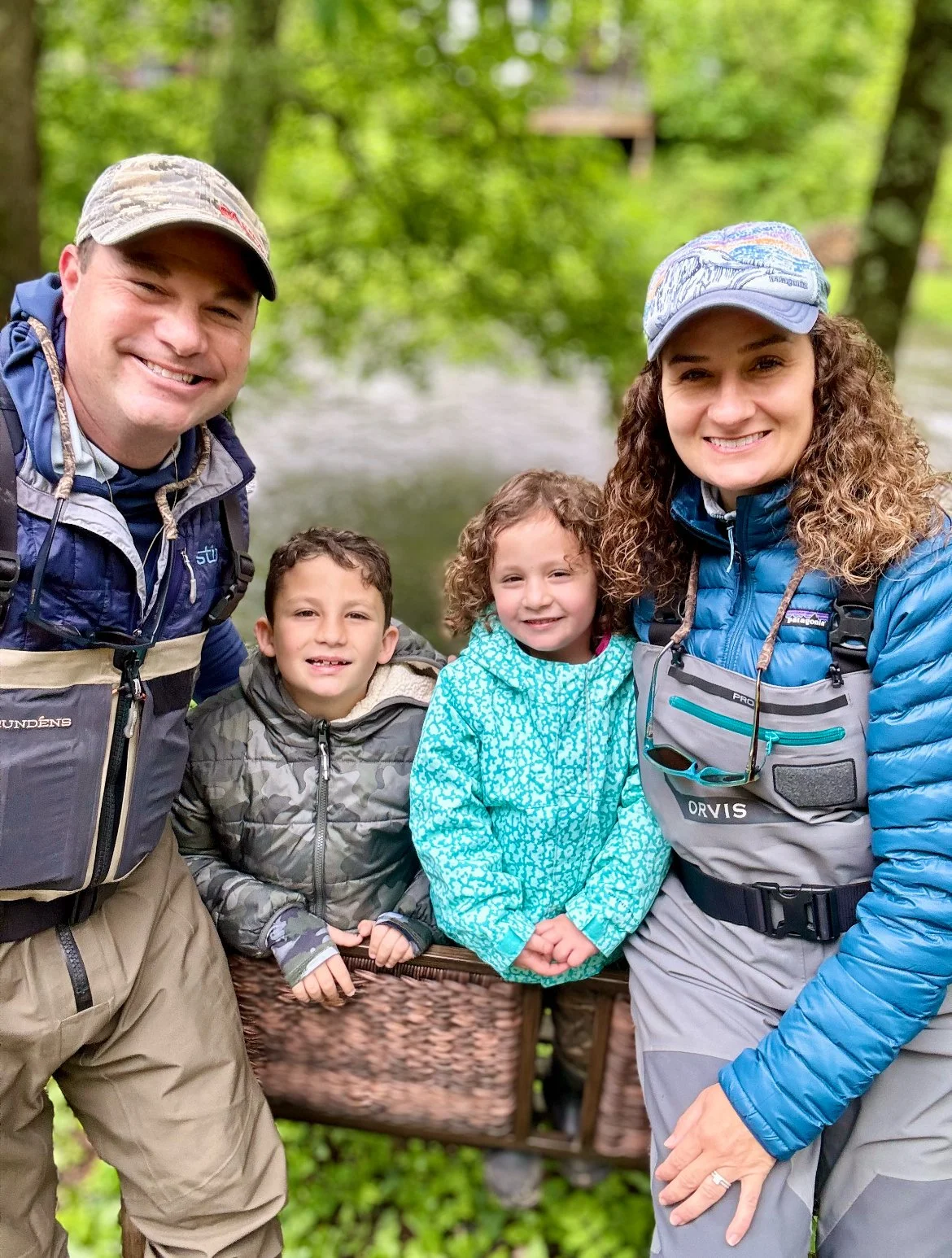
Tim Cammisa is a well known personality in the Fly Fishing World. He’s a Pennsylvania based content creator under the name Trout and Feather. He is also a fly tyer, author, and well rounded fly fisherman. More importantly though, he’s a teacher and a family man. His background in teaching translates flawlessly into his educational videos and books on fly tying. Tim was generous with his words and time to answer some questions!
Q- Let’s start off easy here. When did you start fishing? When did you start fly fishing? When did you start tying flies?
TC- For me, tying came first...my parents signed me up for an after-school class when I was a 4th grader. I had no idea what I was getting into, but that one decision forever altered the direction of my life. The class was amazing, learning to tie different styles was so much fun! Then came the tough part: Catching fish on my own flies.
That Christmas brought with it a 7’6” 5-weight, “tuna can” Martin fly reel, and a really cheap fly line. After figuring out the setup, I began exploring some local waters, including trout streams and farm ponds. The latter was far more productive than the former, yet trout became a fascination. I wanted to catch them all, then began progressing through what some call the phases of fly fishing:
Love to be outside and fish
Catch a fish
Catch lots of fish
Catch a big fish
Catch lots of big fish
Catch a smart fish
Catch lots of smart and big fish
Love to be outside and fish
With a lot of luck and guidance, I’ve made it through the phases, and landed on #8, which is where I believe we should all aspire to live.
Q- A lot of great fishermen, personalities, and fly tyers come from PA. Why do you think this is?
TC- Fishing in Pennsylvania is tough to explain, but it’s almost like a way of life for many of us. Growing up, fishing on the first day of trout season was an expectation with my dad. It’s just what you did, very similar to whitetail deer hunting. But in Pennsylvania, it’s more than trout, we have so many species to chase, including steelhead, largemouth and smallmouth bass, muskies, panfish, striped bass, pike, and more.
The other component is that it’s not always easy, forcing you to think outside of the box a lot, especially when targeting fish on pressured waters. Because of that, anglers from PA have to simply up their game. No matter where I travel to fly fishing around the world, the guides there have always told me that Pennsylvania anglers are their top fishing clients, they come prepared and with lots of fishing knowledge. Personally, it’s an honor to be part of this tradition and I am proud to represent Pennsylvania no matter where I’m chasing fish or tying flies.
Q- What’s your favorite fly, and why?
TC- Wow, now we’re getting to the tough questions! Since I’ve mentioned trout a few times, let’s stay on that path, acknowledging there are so many great methods to catch them. Some of my favorites include Euro nymphing or stripping large streamers, but my favorite style is dry flies. Nothing beats casting a fly on the surface and waiting with anticipation while a brown trout rises to eat…an X-Caddis, my favorite dry fly!
My reasoning is simple: This fly catches fish. It represents a caddisfly as it’s emerging into an adult, which is a vulnerable stage for this insect. Trout know that and tend to key in on that stage, something I learned from my days guiding on the Delaware River. With caddisflies found on moving water around the world, this pattern can live in my fly box and be ready no matter where my travels take me.
As a tier, this is a fun one, incorporating CDC and deer hair, two favorite materials. Because I’ve released multiple fly tying videos on my YouTube channel about this one, I get lots of questions about tying it. My secret is simple: Repetition of that deer wing. I recommend just practicing forming deer hair wings on a hook, then using a razor blade to remove the wing and tie another, and another, and another. Tying with deer (or elk) hair can be tricky at first, but stick with it because many effective patterns incorporate deer hair.
Q- What’s your go to fly rod?
TC- When I think of fly rods, I tend to associate them with the species I’m chasing. They’re like fly fishing styles, each is another arrow in my quiver used for a specific target fish. Since I’ve had the opportunity to cast lots of rods over the years, and if I had to narrow my collection to just four (which I could never do), they would include:
Euro nymphing rod: Righ now, I’m throwing a 10’9” 2-weight that has landed fish from Montana to Iceland. This stick excels with light tippet and flies, perfect for spooky fish in clear water.
Standard fly rod: This is dependent on the conditions and size of flies I’m throwing, but my go-to fly rod is either a 10’ 4-weight or a 9’ 6-weight. The 4-weight is more of a finesse rod that allows me to throw dry flies and nymphs, then the 6-weight is there if I’m targeting larger trout with streamers, especially in windy conditions. Most of the large trout I’ve landed in the last few years have been caught with my 6-weight, many on dry flies. Most of my standard trout rods are sensitive in the tip, which helps to protect light tippet.
8-weight: When it comes to some larger species that I love to target (especially Atlantic salmon, redfish, and striped bass), the 8-weight is my preferred fly rod. This is where I gravitate towards a fast-action rod that can toss heavier flies.
Musky! This is a recent addiction of mine, as my buddy Bobby Kish introduced me to musky fly fishing. We’ve had a lot of success fishing together, and the canon I carry is a 9’ 12-weight. Though I believe many of the fish can be landed with lower weight rod, the flies I’m throwing are simply gigantic and wind-resistant. In short, it’s important to practice casting with this rod prior to fishing with a 12-weight for multiple days!
Q- I think we are in an exciting time for fly tying especially. Who is on your radar in the fly fishing and fly tying world?
TC- Exciting is an understatement, we are so fortunate to have such quality materials today with tiers using them to solve all sorts of problems. When it comes to specific tiers, there are way too many to list, but the one area to highlight is the fact that so many younger tiers are pushing the envelope, which I love to see.
Q- What’s your favorite place you’ve fished and why?
TC- This is such a tough question to answer, especially because I tend to be influenced by the last place I fished, time of year, and upcoming travel. As I sit typing now, my last two weeks included incredible experiences. After targeting brown trout and cutthroat in Montana with my wife Heather, I returned home to meet up with buddy Bobby Kish as we chased muskies around Ohio. Soon, steelhead that run the tributarites of Lake Erie will begin calling my name…starting to see the problem?
No matter how exotic the destination, my favorite place is more about who I’m fishing with than the location. In Pennsylvania, fishing the first day of trout season is a special time of year. As a boy, I remember early mornings with my dad, walking for what seemed like miles to find a spot just for us. Now that weekend is reserved for my family, as Heather and I bring our children to central Pennsylvania, on the hunt for wild brown trout. Though my kiddos surely spook more fish than we catch, that time on the water means more to me than all of my other days spent in Iceland and Alaska combined.
Q- Favorite Pennsylvania stream?
TC- To answer this one, let me tell you a little story. Taking my children fly fishing is part of life, yet I know that if there is a weak link in the secrecy of the places we fish, it would be one of my kiddos. When we saw other anglers or friends after a trip, my son Angelo was quick to share a story of our fishing excursion, which many times led to him also sharing a “secret” fishing location. So I soon learned that when it was time to go on a trip, no matter the location, we always referred to the stream as “Spring Creek.” Is there a stream in PA by that name that I love to fish? Absolutely! But there’s also about 50 other ones that draw me back regularly, hence it’s impossible to narrow my answer to just one favorite stream.
Q- In your opinion, what is the most underrated/underutilized material in fly tying?
TC- With so many tiers now creating incredible and dynamic patterns, it’s obvious that most materials get showcased regularly. For my personal tying, I utilize every material I can get my hands on. This includes materials from Semperfli and UV resins by Solarez; I’m proud to be associated with two companies that produce some of the best fly tying products on the face of this earth.
However, there’s a place in my heart for natural materials. Finding and selecting the best ones is a challenge in itself, one that never seems to get any easier. As I thinkn about all of the flies I tie regularly, most incorporate one of these materials, which I consider the top five in fly tying:
CDC: Used in both dry flies and nymphs, this is a magical material that fish can’t resist.
Pheasant tails: Show me a fish, and I’ll show you something that will eat a fly tied with PT fibers.
Marabou: The buggy nature of this material makes it ideal for tails, yet there are some other creative techniques that turn this into an indispensable material.
Hare’s mask: Because I prefer to blend my own dubbings, this is the base of nearly every recipe I’ve created in the last 30 years.
Peacock: No list is complete without herl and stripped peacock eyes.
Q- Do you prefer Euro Nymphing to conventional fly fishing overall?
TC- It’s easy to say “yes” to this question, especially as I recently released a book about Euro nymphing! If I’m fishing locally for trout in moving water, then yes, I love a Euro nymph setup to throw dry flies, nymphs, and even streamers. However, the style I choose is tailored to a few areas, which include:
Species: Living in Pennsylvania, trout is a favorite species that I target with a Euro nymphing setup, but what about steelhead, striped bass, and muskies? Sure, there are part of Euro nymphing I can apply in other situations, but with larger species, I am more comfortable with a single-hand fly rod and a more traditional setup.
Larger flies: This category includes patterns like Game Changers and articulated streamers, and I am most comfortable throwing them with fly lines that help to turnover the flies for maximum distance and accuracy.
Weather: Fly fishing in destinations like Iceland, Alaska, and Montana mean lots of things to me, especially with big trout…but don’t forget about that wind! In inclement conditions for trout, my 9’ 6-weight is a go-to stick that I feel most comfortable throwing.
Q- When building your brand, what’s your favorite thing you learned that has nothing to do with fishing?
TC- Building a brand is a lot of work that pushes you in so many areas of life. The number of lessons I’ve learned seems to grow daily, as there are always challenges that get in the way of what you’re trying to accomplish. In short, show up, be intentional with your time, and follow through on the important things. Fly fishing, business, or family, these concepts hold true.
Q- Do you plan on writing anymore books?
TC- Writing a book this early in my life was never part of the “plan,” yet here I am with two published books that I’m incredibly proud of. As an elementary school teacher, I envisioned spending my retirement writing fictional stories; John Geirach’s Even Brook Trout Get the Blues is a book that I’ve read so many times, it was nearly embarrasing when I asked John to sign my ragged copy! In short, there are a few ideas in my head to continue in the nonfiction and educational realm first, then I plan on jumping into some creative writing at some point in my career.
Q- I always enjoy seeing your family posts. I’m a firm believer that balance is the most important thing. What’s your secret to maintaining a healthy family/work/fun balance?
TC- Wow, this is a tough question to answer, as my wife would probably say that I’m into fly fishing a little too much! Being that the outdoors were such an integral part of my life before having a family, it was a natural fit to include them in all of the fun. Pulling it all together is Heather, who did not fly fish when we first met. I remember taking her brook trout fishing, with dry flies and a bamboo fly rod I built myself; in her eyes, it wasn’t “real” fly fishing because we were dapping the fly, and not casting it.
A couple years later, Heather read a few things about mindfulness and how fly fishing made a positive impact on your life, so she was interested again! We started off fishing in central PA before she soon was traveling with me to Iceland a couple times a year. With her loving support and fully embracing the sport, our kids are naturally along for the ride, thus most family vacations are centered around water. Is it easy to balance everything? Of course not, I’m answering this question seconds before bolting out the door to get my son to his soccer game! But the secret, anytime you can combine your family and fun with some work, good things are guaranteed to happen.
Q- It’s easier than ever to start a social media based business. What’s your advice to someone just getting into it?
TC- Social media is definitely a way to connect with audiences and communities within the fly fishing world, and I’ve enjoyed doing so for over a decade. Since the question includes the word “business,” my recommendation relates accordingly. As with any business venture, decide where you’re heading first; that helps to dictate all of your future decisions. If an aspect of social media is not helping you get to the outcome, ignore it and focus on those that do. In short, no matter what the venture (trading cards, healthy living, or fly fishing), treat it like a business and do your homework on ways to succeed.
Q- Whats your favorite non fishing related book?
TC- A favorite of mine since I was in elementary school is Where the Red Fern Grows, undoubtedly one of the reasons I’ve had an English pointer or another dog for the last 20 years!
Q- If I built a Time Machine and gave you a free trip, where are you going and why?
TC- A time machine implies that I can fish in any century, and I would love to see Pennsylvania’s top trout streams a couple hundred years ago. With tales of giant brook trout before other species were introduced, give me the opportunity to catch some monster brook trout on a dry fly!
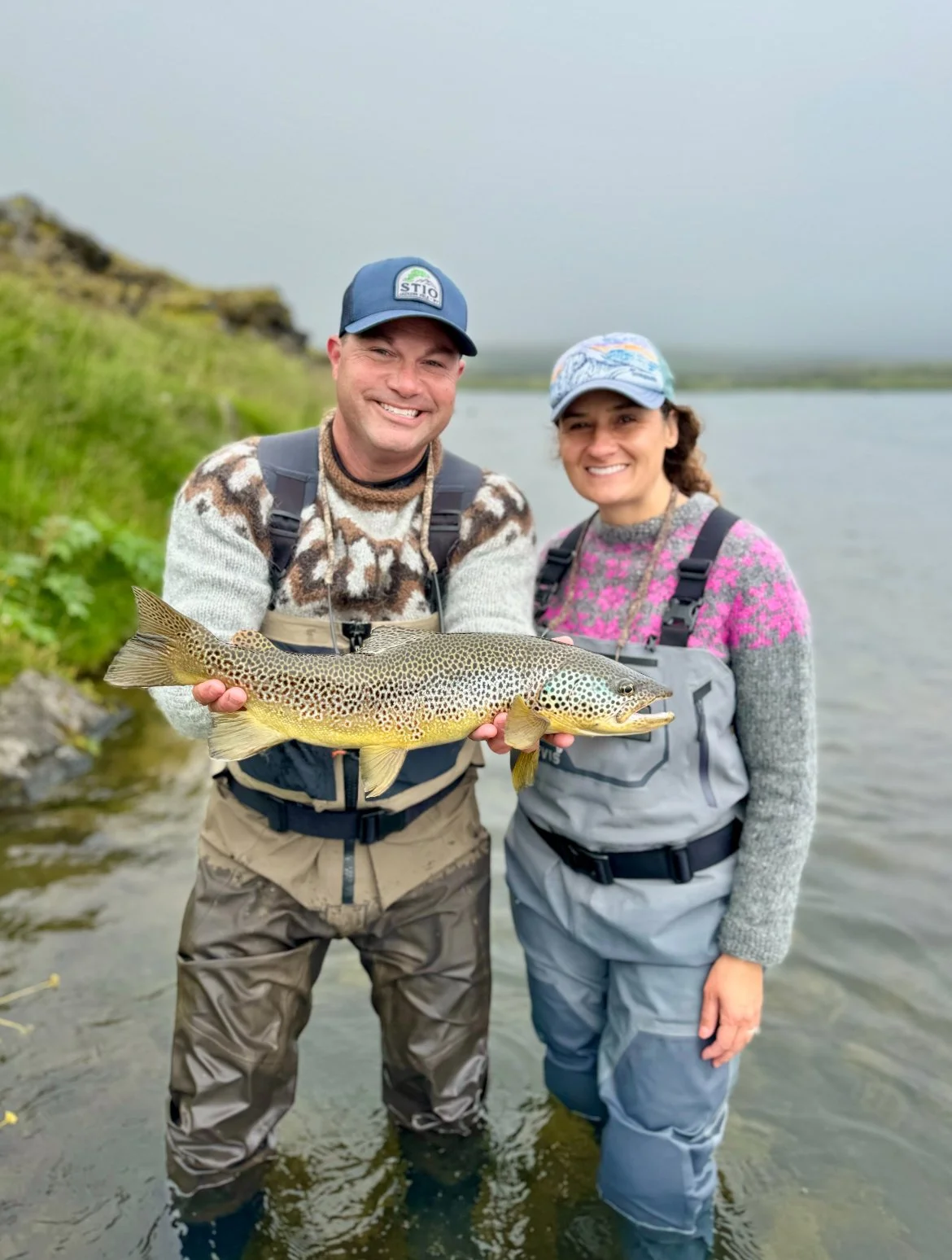
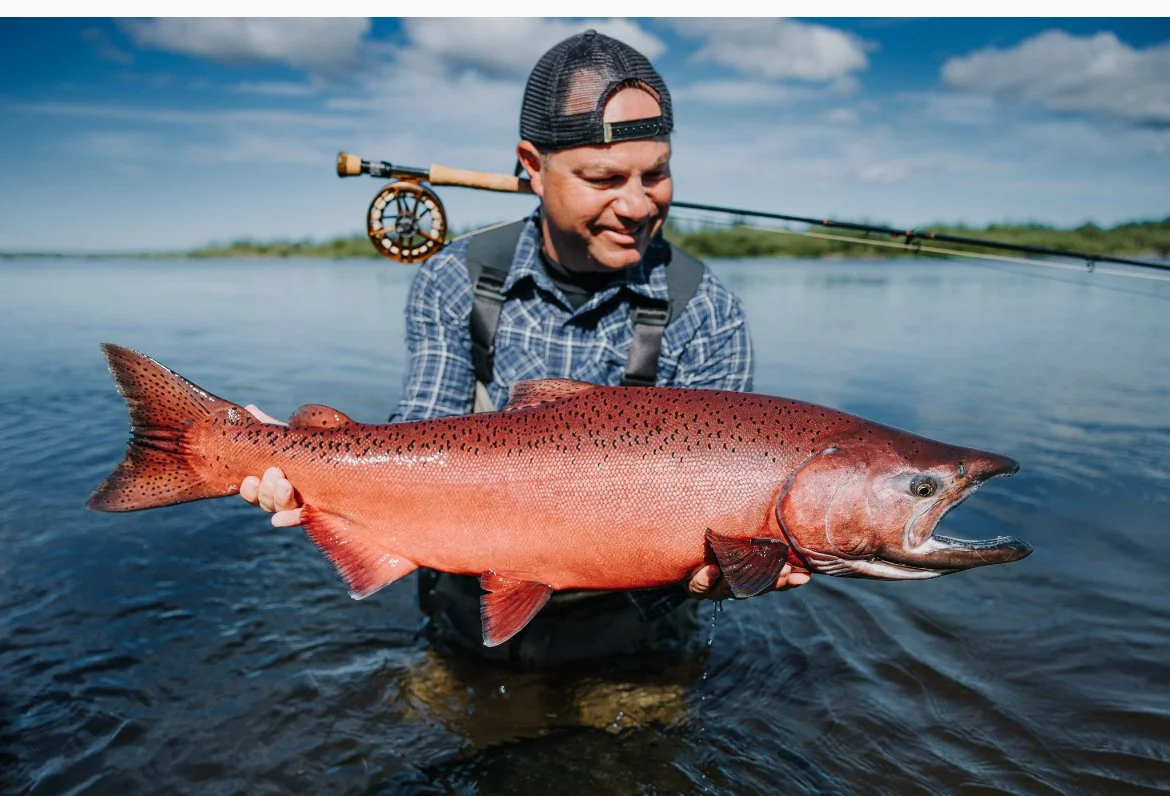
Coltin Gressers guide to Crappie on the fly!
Now this is not a very talked about subject. When folks hear of taking the flyrod out, they talk about targeting trout, salmon, and even bass. I am here to tell you that finding a school of golden crispies on the 3 weight is a hoot! This will be broken down into three sections. First will be the gear needed. Second will be the tactics on how to fish and where to fish. Third and final will be a reminder to not forget the fish batter, oil, and most importantly the beer.
1. Gear needed
White crappies and Black crappies are fish that reach on average sizes of 8-14 inches. Catching a crappie that is 15 plus inches and weighs over a pound is a trophy catch. Keeping this in mind these are not super powerful fish. Any 3-4 weight reel will do. I will use a 5-weight reel most of the time. This is for insurance purposes in case I hook up with a stud crappie or the occasional Largemouth bass or Smallmouth bass.
A quick rundown on leader and tippet sizes. The smaller the number the bigger the diameter and the more weight it can hold. For example, 5x is the size of leader or tippet. 5x= line strength around 4.75 lbs. Where 7x= around 2.5 lbs. of strength. I usually use Fluro-carbon style leaders and tippets. If you like monofilament go right ahead. Whatever you fish more confidently use it!
The leaders I use when targeting those tasty bastards are sizes from 5x-7x. Whatever size leader I use, I will usually use a smaller tippet. This helps with hiding your line more when it enters the water. Incase your loss like I usually am when it comes to life don’t worry here’s an example. If I fish a 6x leader I will use a 7x tippet. This means that the leader will be stronger and thicker, while my tippet is smaller in diameter helping hide my line in the water better.
For fly line this is going to be up to you. There are two paths you can choose from. Path one is using floating line. This will keep your flies higher in the water column. When fishing at depths of 1-8 feet I like using this technique. The crappies tend to feed above them; this creates a nice presentation for the fish. Path two is using sinking line. When you are using heavier streamers and nymphs at depths of 8 feet or deeper, this helps you get down to where the fish are.
Now for the fun part…the flys! Best part about crappies is that they are predatory fish. They feed in schools, so when you catch one, be ready to catch more. The patterns I have done best on are bait fish streamers. A battle tested fly that has helped me fill my LiveWell is the KO streamer. Both the green and white and the brown and white. Any colors of green, white, silver, blue, pink, and chartreuse will do you good in the crappie world. Now if you don’t have a baitfish/ minnow patterns don’t worry. Your macro-invertebrates got you covered too. I have caught fish on stonefly, caddis, and mayfly nymphs. My little secret is a black and purple size 10-14 balanced leach. Man, oh man do those paper mouths love it.
You can catch them on top of the water too. Anything you would throw for bass, downsize it a size or two and be ready. They are not the best at tracking baits on the top, so be ready for a lot of misses. I have caught them on small poppers, dry flys, heck even size 16-18 top water frogs.
2. Where and how to fish
After feeding you information through a garden hose on the gear break down. I will try to keep this simple as possible. Where to target crappie can be a whole article itself. To make things easy the number one place to look for crappies on the fly is in the spring when the crappies go to spawn. Look for lakes with coves that have a depth of 10 feet, and as you approach the shoreline it shallows up. Rock points that have a good shelf are a great place to start. If you catch them shallow off of the points, and they have a big egg belly. Start looking shallow towards their spawning beds. On the other fin (yes pun intended lol). If you catch them on the deeper drop offs of the rock points then go target deeper water, they might be still staging to spawn, or post spawn feeding.
How to fish your flies. This will be a skill learned out in the water. Try the constant retrieve of your fly after letting it sink 1-3 feet down. If that doesn’t work add a pause in your cadence. Strip pause and strip pause. Or strip strip pause. Fish those different styles for a good 30 minutes and switch. Don’t be afraid to add a strike indicator to your rig. The extra buoyancy to your fly may just be the ticket to entice those finicky bastards. Keep trying new things. You never know what might work on the water. Heck even dead sticking flies catches fish!
3. Beer, batter, and oil
In my opinion there is no better way to celebrate a limit of paper mouths other than cleaning them, putting them in milk and batter, and frying them the same day. For all the hard work you did getting prepped and ready to chase these fish on the fly you deserve a beer! It also pays respect to all the fallen flies that were either KIA or MIA on the water.
PGH flies are the best in my opinion because they were made to target trout, but they are a go to fly when it comes to many other species. The versatility of his creations speaks to his craft as a fly tyer. Go check his store out, you will not be disappointed. As I always say. You can’t catch them from the couch, get up and go fish!
STAY DEGENERATE!


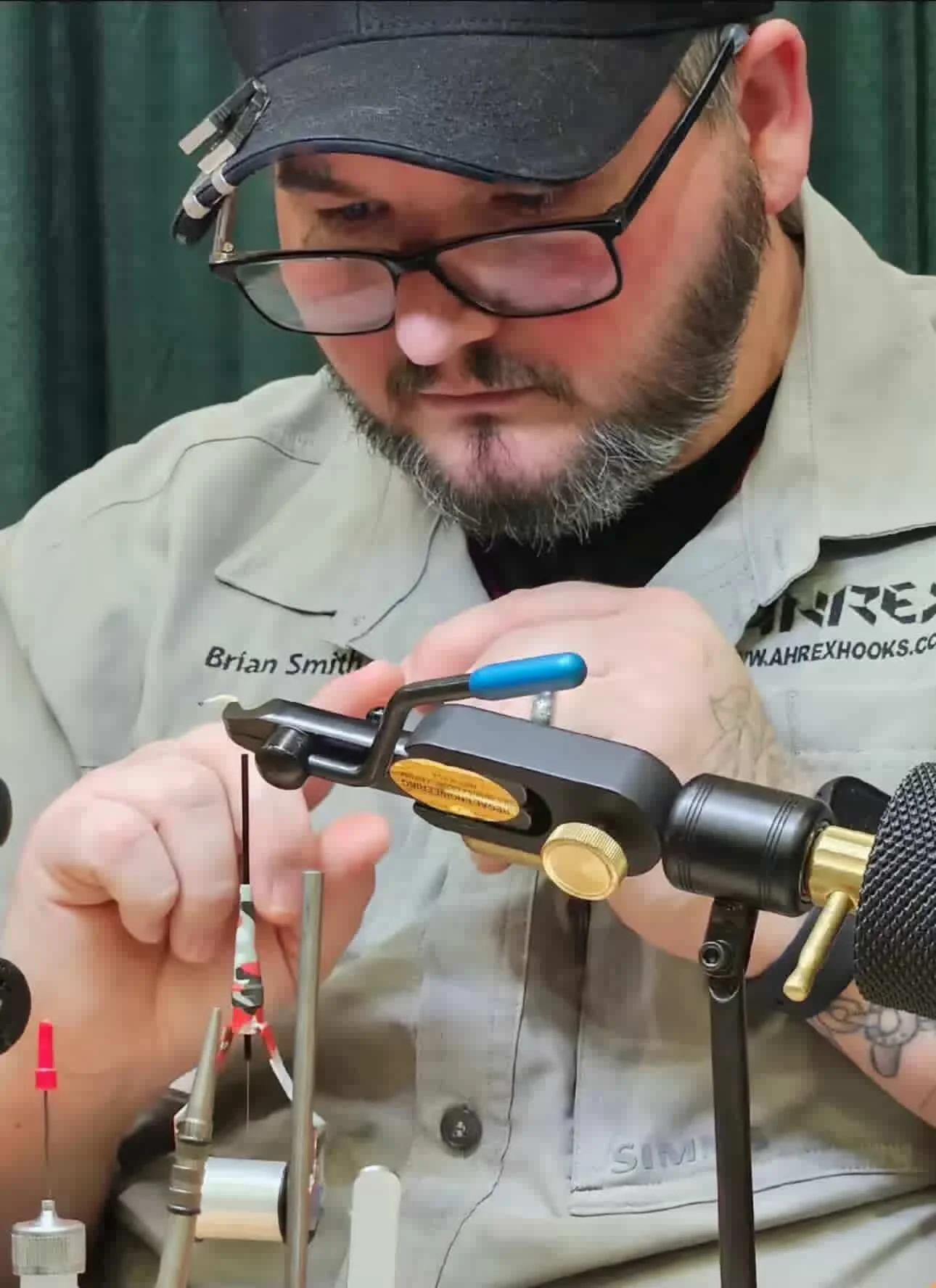
Q&A with The Fly Smith!
A Q&A interview with the Fly Smith!
Fly Smith
I wanted to kick this series off with a bang, and who better to start with than the Fly Smith? If you’ve been online, chances are you’ve seen atleast one of his videos! Brian is a social media phenomenon that has blown up like nobody else in the fly tying space. He runs an online shop selling his own branded thread, tying tools, materials, and flies. He Livestreams on his YouTube channel Wednesday through Sunday at 9-11pm EST
Q- How did you get started in fly tying?
FS- I got started into fly tying because my neighbor took me fly fishing for bluegill in 2022. He kept raving about a fly called the sneaky Pete, but they weren't made anymore, so I bought the stuff to tie him some and was addicted immediately!
Q- How much do you fish? Do you use your own flies?
FS- I use my own flies mostly, but I also use others. I fish when I can, but it's been spread out the last few years
Q- You have a background as a tattoo artist. Is there any way you think this helps you in your fly tying?
FS- Being a tattoo artist definitely helped a ton. Fine detail work is what I specialized in, so that just carried over.
Q- You’re currently in Virginia, were you raised there or did you move there?
FS- I was born and raised here. But, I lived in Indian in 2015 for a little bit!
Q- How has your current location shaped how you do business?
FS- There's no fly shop within 45 min, so sourcing my own materials drove me to sell them as well, so it did help to get me going.
Q- What’s your favorite material to work with?
FS- My all time favorite material is latex!
Q- What’s your least favorite material to work with?
FS- My least favorite material is golden pheasant crests, they are so difficult to work with.
Q- Social media has been a game changer in many fields. Do you think companies like ours could operate successfully without it?
FS- I wouldn't be where I am without social media, and most of the younger generation shop online, so it's essential to a successful business.
Q- Sometimes the internet can be exhausting. It’s hard to take breaks when you run an online business. What’s the best way you’ve found to deal with it?
FS- I haven't found a way to deal with the stress of running a business. I just suck it up and do it anyway
Q- I believe in finding a good balance. But, finding a healthy balance between family, work, and fun can often be challenging. What’s something you do to help maintain a balance?
FS- Something I've done to maintain a healthy balance between my business and my family is to get them involved!
Q- As someone who puts their own materials out, what’s your testing process like?
FS- My testing process is never based on first impressions. I will use something until I use it up or wear it out before deciding to sell it, even if it's a known and trusted product.
Q- It’s obvious to see your impact on the industry. Do you see The Fly Smith as a major player in the next five years?
FS- Yes I do see TheFlySmith as a major player in the next 5 years. I have a lot of plans going forward!
Q- Are there any books as far as bugs, fly tying, or fishing that you recommend?
FS- I would recommend trout by Ray Bergman, and The Complete Book of Fly Tying by Eric Leiser.
Q- If you could go back and do anything differently in your business, what would it be and why?
FS- If I could go back and do anything differently, I would've started much sooner. I'm happy with the progress, though.
Q- How can we make the fly fishing and fly tying communities better?
FS- We could make the communities better if we all studied the history of what we're doing. It would then give us all a similar foundation and respect for the hobby / sport.
Q- If I built a Time Machine, where would you go and why?
FS- If I had a time machine, and could only apply it to fly tying, I would've wrote a lot of books to help preserve the history
Not fly tying related- I would've went back to witness Jesus. It would answer every question I've ever had.
Q- Why do you prefer your favorite tying style?
FS- I prefer to tie older winged wet flies. It is challenging, and they not only look gorgeous, but they are functional.
Q- What is your dream fishing destination?
FS- My dream fishing destination is Argentina, Patagonia!
Q- If you had any advice your new tyers, what would it be?
FS- My advice for new Tyers is simple: buy once, cry once. Buy the good stuff the first time, you'll save more money in the long run.
You can find him on Instagram and YouTube under the name tiesflies

Brian Smith showing off his tying skills
The reworking of the blog
It’s been a long time since I posted on here. I’ve been bouncing around ideas for quite a while, and I’m going to shake it up a bit. Stay tuned because we have some absolute bangers coming up here!
